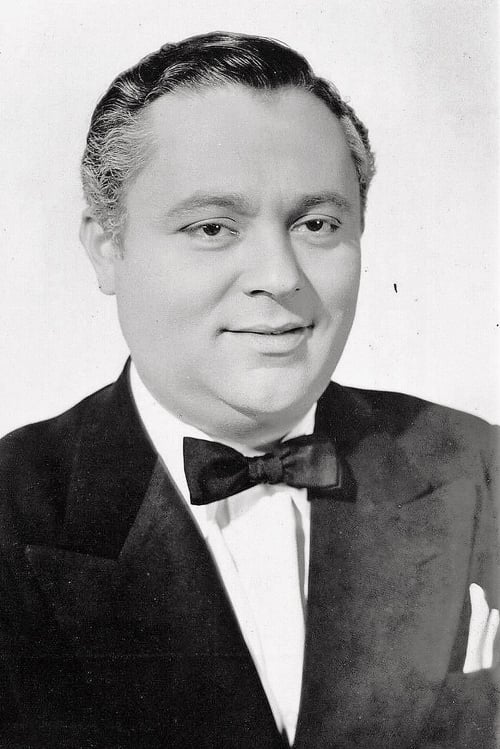
J. Edward Bromberg
Acting
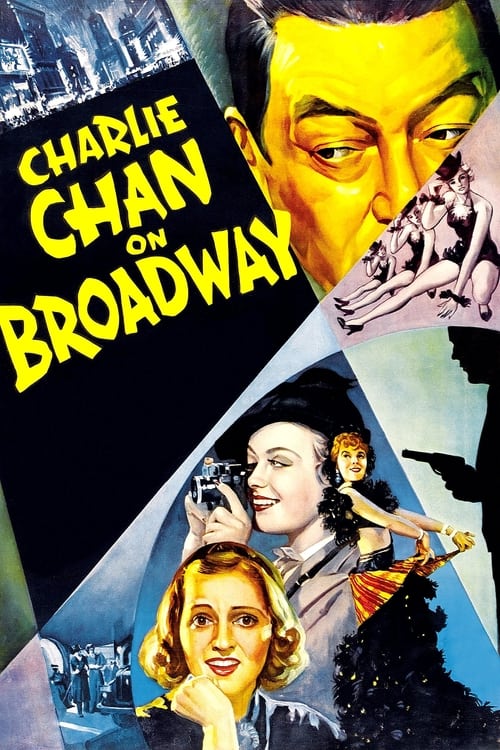
From Wikipedia, the free encyclopedia Joseph Edward Bromberg (born Josef Bromberger, December 25, 1903 – December 6, 1951) was a Romanian-born American character actor in motion picture and stage productions dating mostly from the 1930s and 1940s. By virtue of his physique, the short, somewhat rotund actor was destined to play secondary roles. Bromberg made his stage debut at the Greenwich Village Playhouse and in 1926 made his first appearance in a Broadway play, Princess Turandot. The following year, Bromberg married Goldie Doberman, with whom he had three children. Occasionally credited as J.E. Bromberg' and Joseph Bromberg, he performed secondary roles in 35 Broadway productions and 53 motion pictures until 1951. For two decades, Bromberg was highly regarded in the New York theatrical world and was a founding member of the Civic Repertory Theatre (1928–1930) and of the Group Theatre (1931–1940). Bromberg made his screen debut in 1936 under contract to Twentieth Century-Fox. The versatile actor played a wide variety of roles ranging from a ruthless New York newspaper editor (in Charlie Chan on Broadway) to a despotic Arabian sheik (in Mr. Moto Takes a Chance). Although he spoke with no trace of an accent, he was often called upon to play humble immigrants of various nationalities. When Warner Oland, the actor who played Charlie Chan, died in 1938, Fox considered Bromberg as a suitable replacement, but the role ultimately went to Sidney Toler. Fox began loaning Bromberg to other studios in 1939 and finally dropped him from the roster in 1941. He kept working for various producers, including a stint at Universal Pictures in the mid-1940s. Bromberg's most outstanding attribute was his facility with sensitive character roles; he could take a standard, undistinguished supporting part and make it unforgettably sympathetic. In Hollywood Cavalcade he portrays Don Ameche's friend who knows he will never get the girl; in Three Sons he is the lowly business associate who longs to be given a partnership; in Easy to Look At he is the once-great couturier now reduced to night watchman. In September 1950, the anti-communist magazine Red Channels accused Bromberg of being a member of the American Communist Party. Subpoenaed to testify before the House Committee on Un-American Activities in June 1951, Bromberg refused to answer any questions in accordance with his Fifth Amendment rights.
Known For
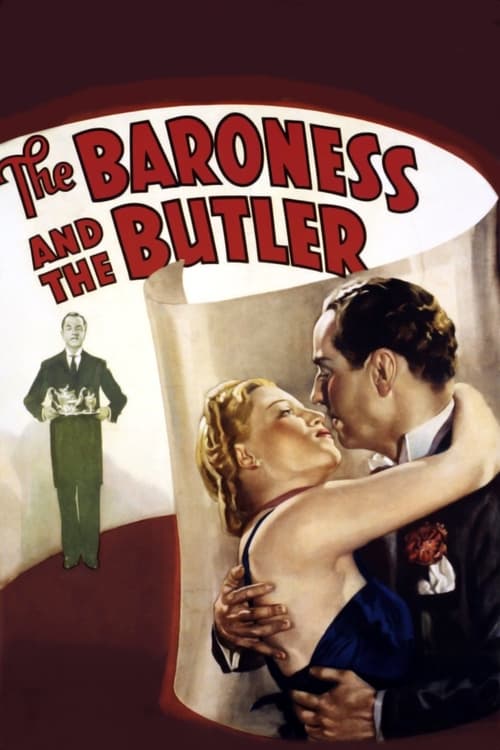
1938
The Baroness and the Butler
1938 · movie
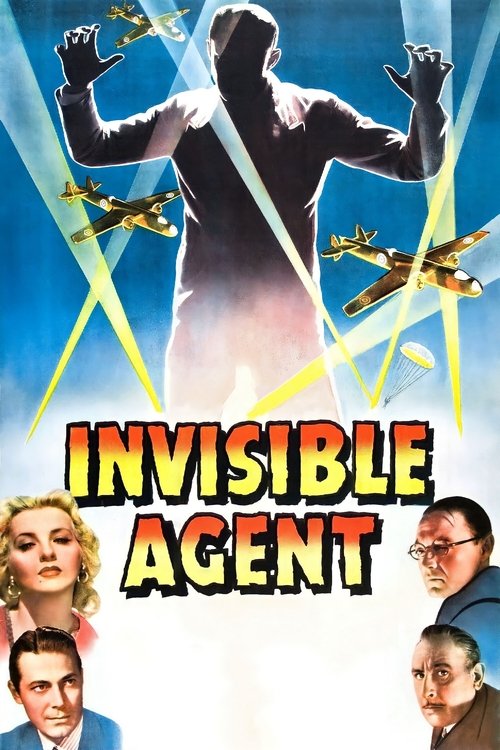
1942
Invisible Agent
1942 · movie
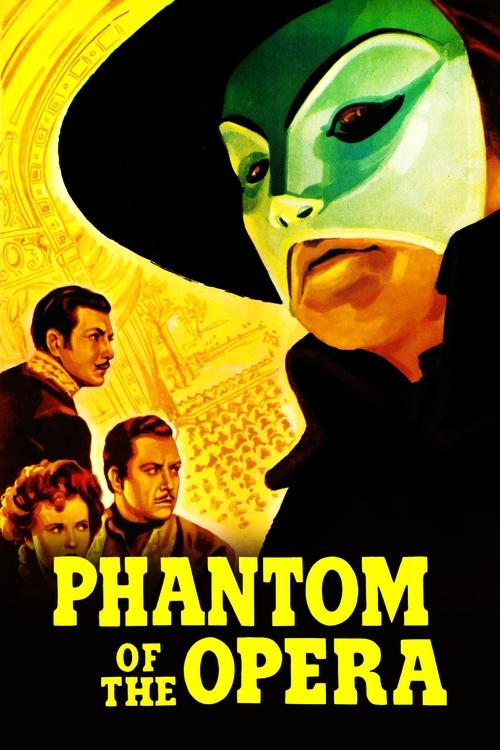
1943
Phantom of the Opera
1943 · movie
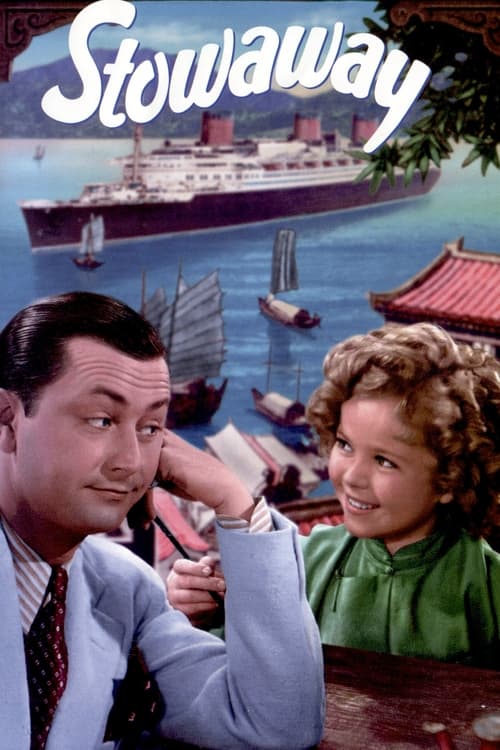
1936
Stowaway
1936 · movie

1939
Jesse James
1939 · movie
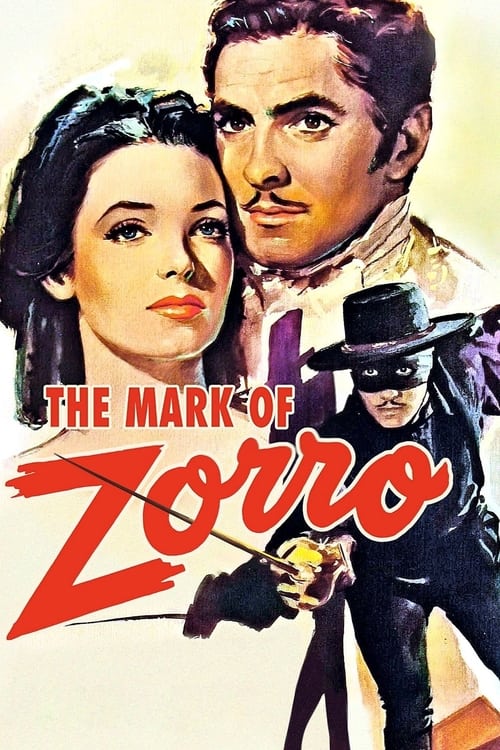
1940
The Mark of Zorro
1940 · movie
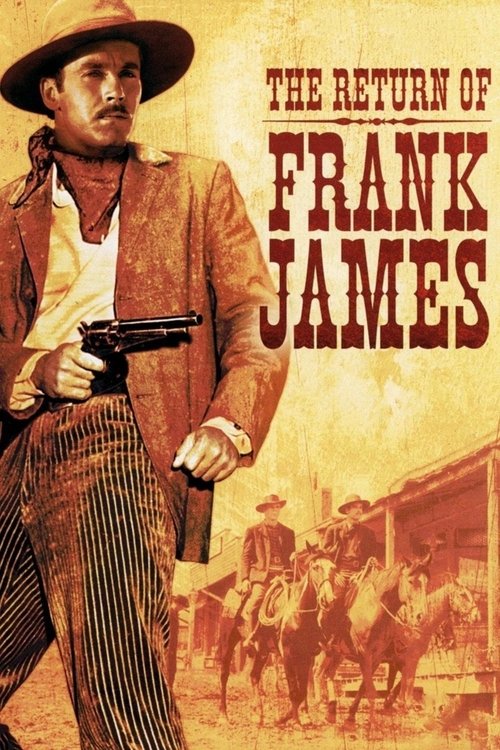
1940
The Return of Frank James
1940 · movie

1948
A Song Is Born
1948 · movie
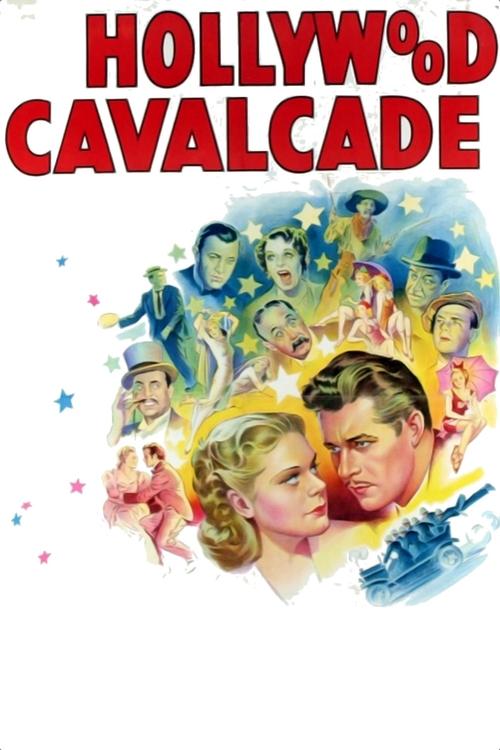
1939
Hollywood Cavalcade
1939 · movie
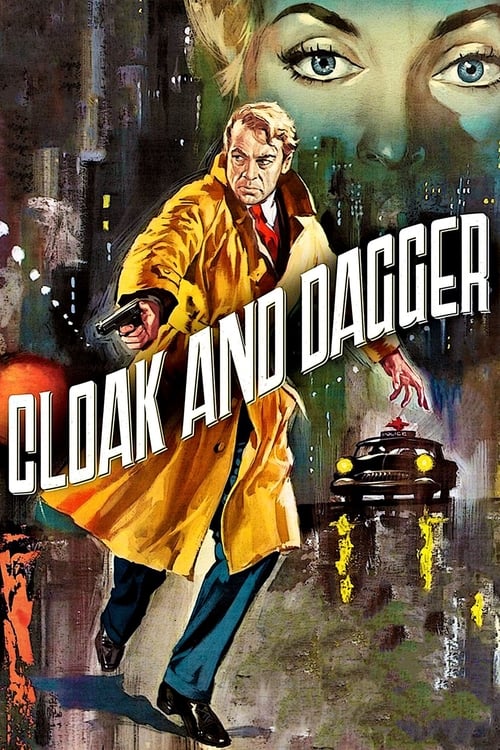
1946
Cloak and Dagger
1946 · movie
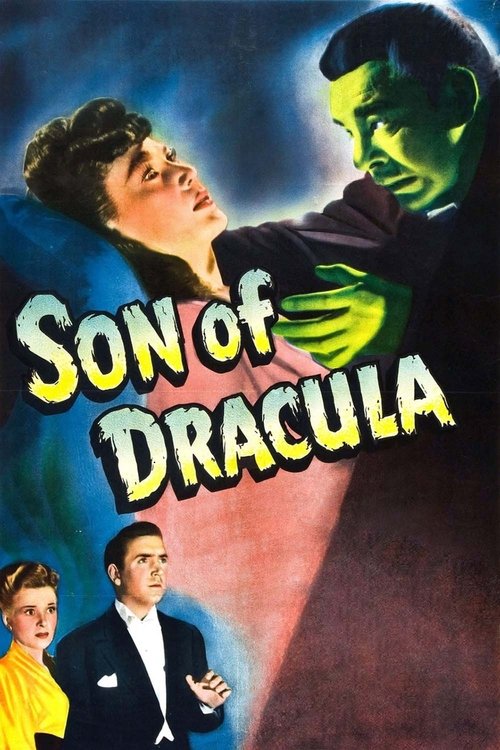
1943
Son of Dracula
1943 · movie
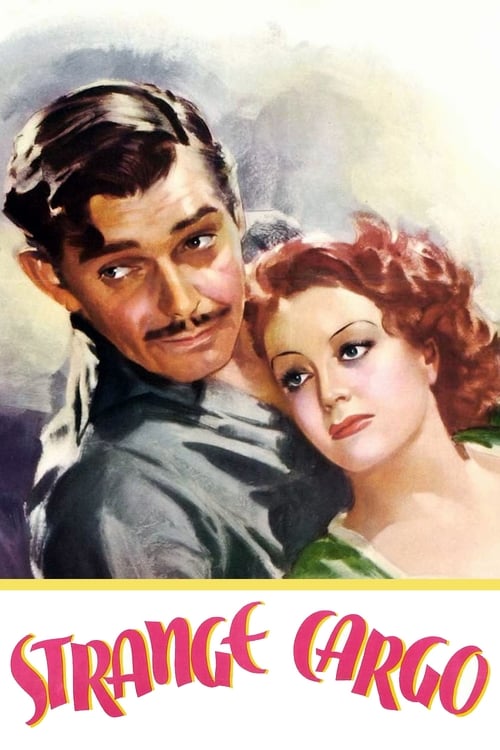
1940
Strange Cargo
1940 · movie

1938
Suez
1938 · movie

1948
Arch of Triumph
1948 · movie
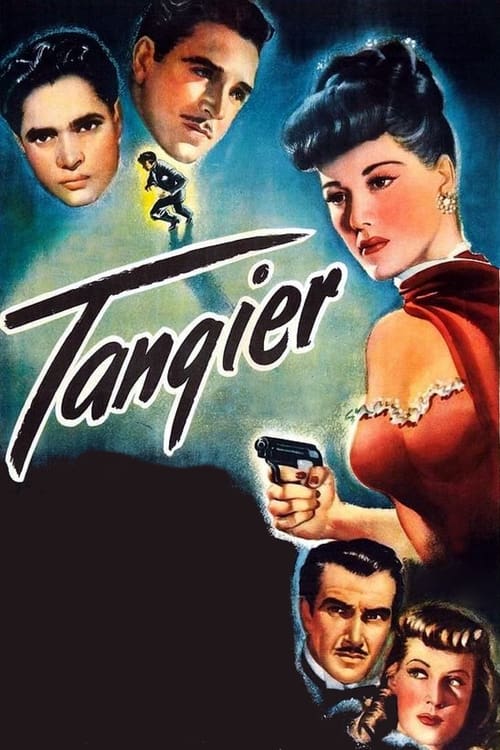
1946
Tangier
1946 · movie
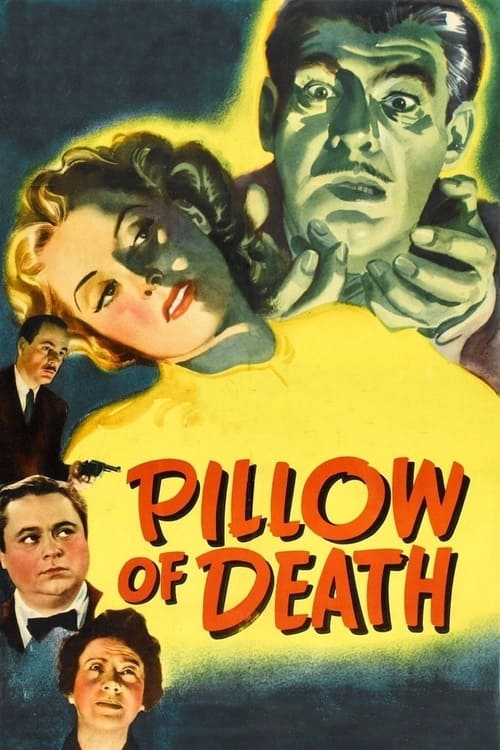
1945
Pillow of Death
1945 · movie
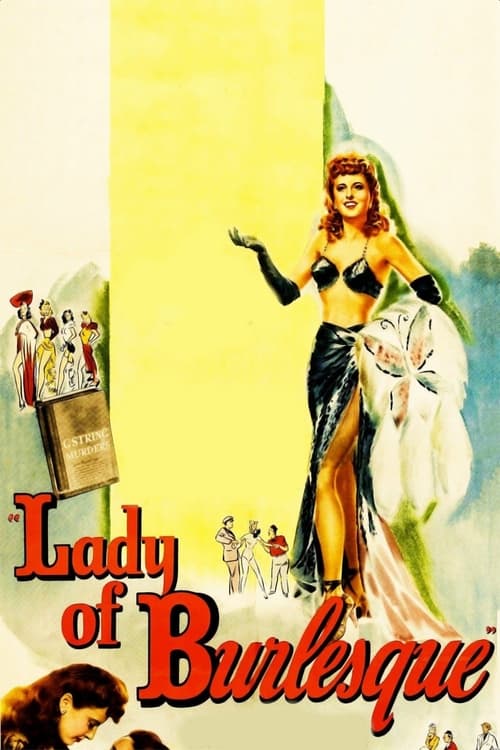
1943
Lady of Burlesque
1943 · movie

1938
Rebecca of Sunnybrook Farm
1938 · movie
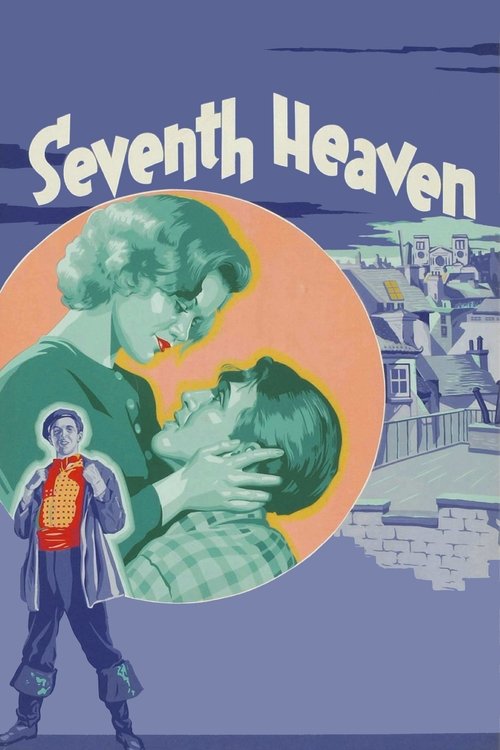
1937
Seventh Heaven
1937 · movie
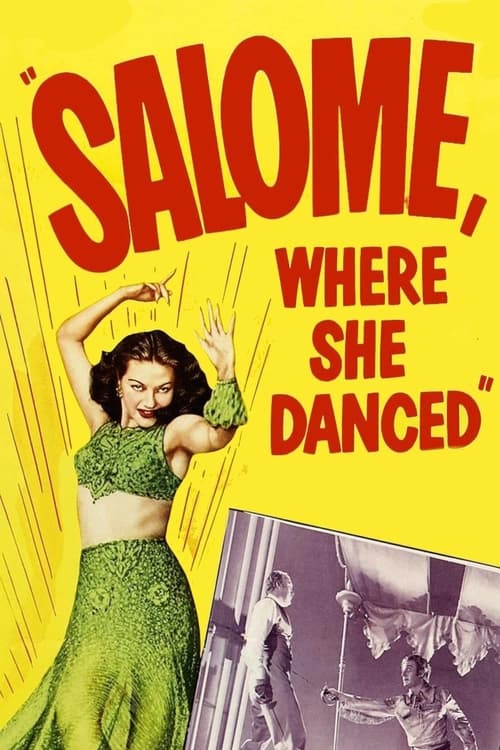
1945
Salome, Where She Danced
1945 · movie
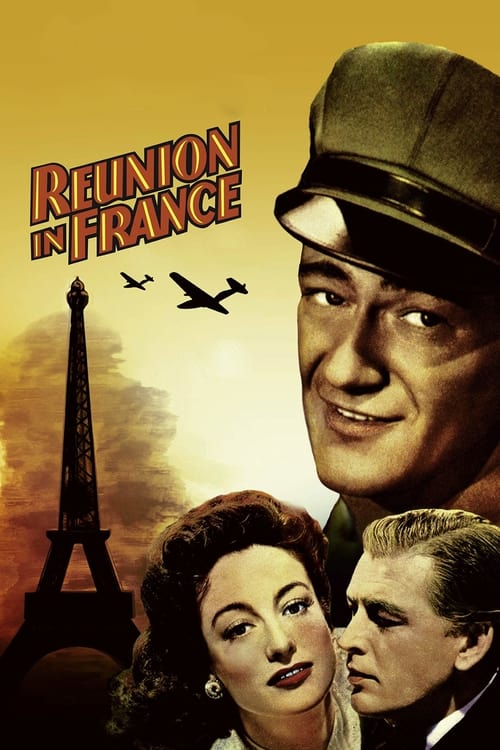
1942
Reunion in France
1942 · movie
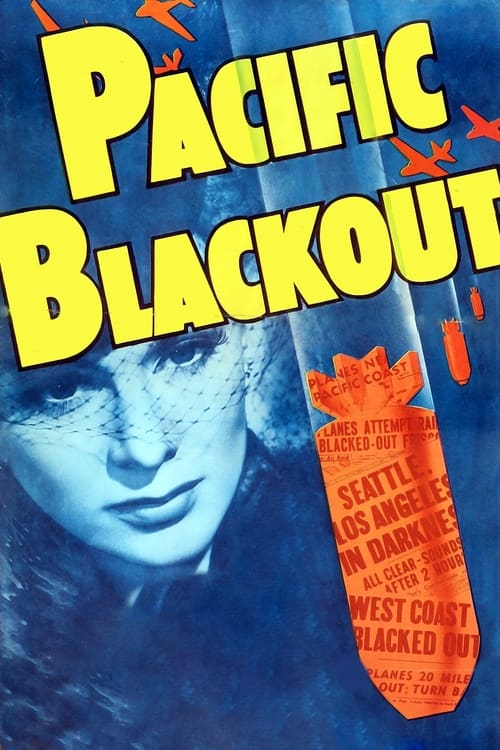
1941
Pacific Blackout
1941 · movie
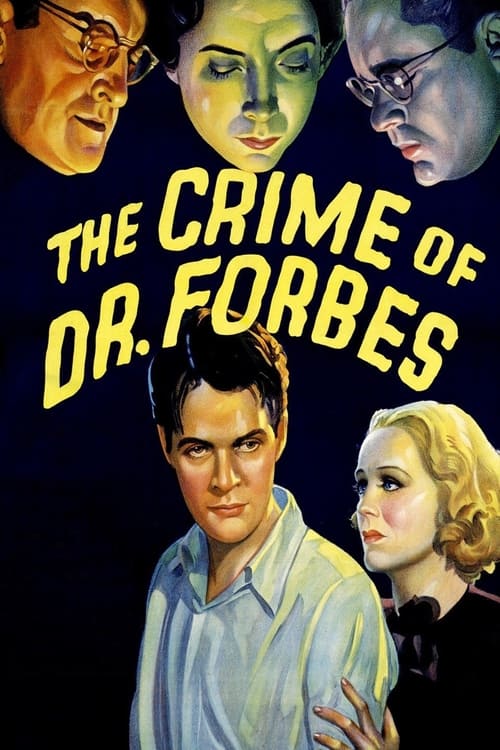
1936
The Crime of Dr. Forbes
1936 · movie

1938
I'll Give a Million
1938 · movie

1936
Girls' Dormitory
1936 · movie
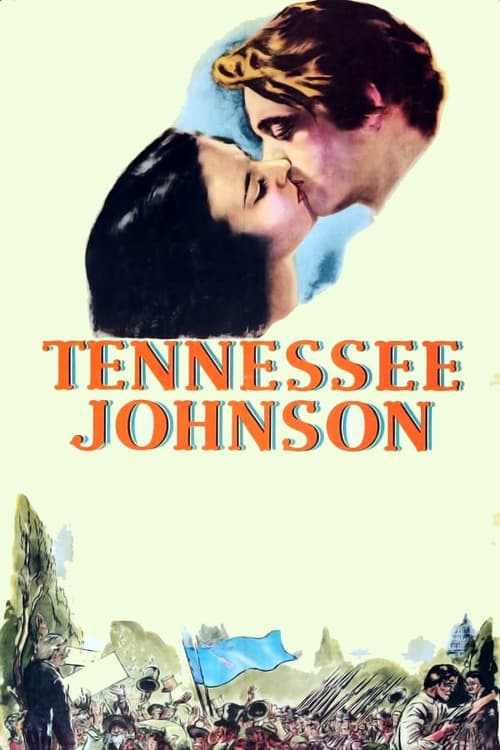
1942
Tennessee Johnson
1942 · movie
1937
Charlie Chan on Broadway
1937 · movie

1949
I Shot Jesse James
1949 · movie
1936
Reunion
1936 · movie
1941
Devil Pays Off
1941 · movie