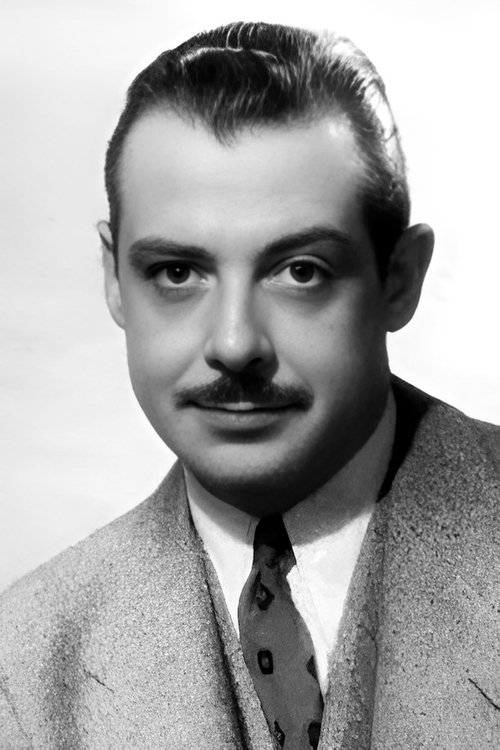
Fernand Gravey
Acting
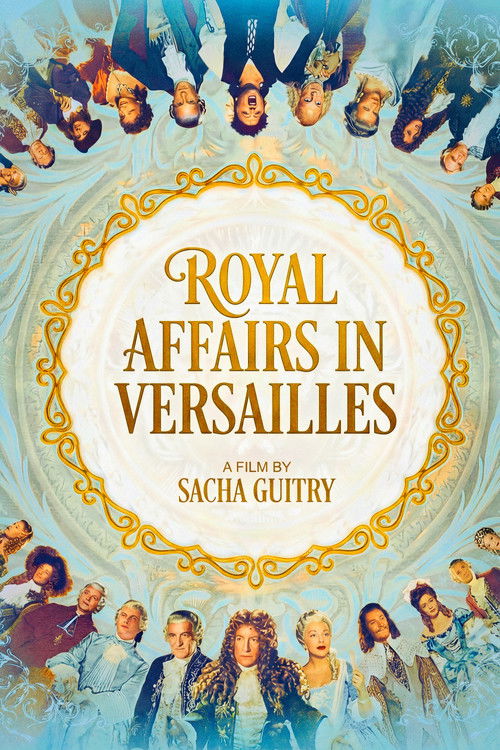
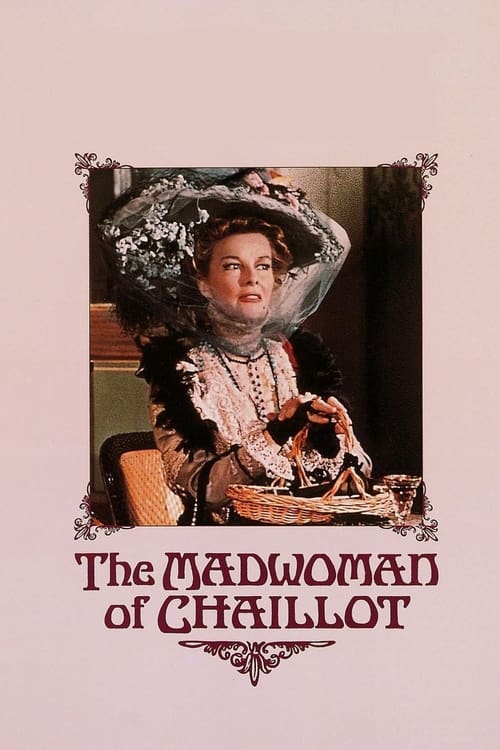
Fernand Gravey (25 December 1905 in Ixelles (Belgium) – 2 November 1970 in Paris, France), also known as Fernand Gravet in the United States, was the son of actors Georges Mertens and Fernande Depernay, who appeared in silent films produced by pioneer Belge Cinéma Film (a subsidiary of Pathé). Gravey started performing at age five under his father's direction. Before World War I, he received an education in Britain and could speak both French and English fluently, something which became useful in his movie roles. During the war, Gravey served in the British Merchant Marine Corp. In 1936, he married the French actress Jane Renouardt, who was 15 years his senior. They remained together until his death on 2 November 1970 of a heart-attack. Jane died on 3 February 1972. They had no children. Gravey performed in four films in 1913 and 1914 (as Fernand Mertens), but his first film of importance was L'Amour Chante, released in 1930. In 1933, he made Bitter Sweet, his first English language movie, which became more famous in its 1940 incarnation with Jeanette MacDonald and Nelson Eddy. In 1937, after several more French and British movies, Gravey went to Hollywood, where the spelling of his last name was altered to Gravet, and he became the focus of a rather extensive Hollywood publicity campaign (instructing moviegoers to pronounce his name properly: "Rhymes with Gravy"). Unfortunately for Gravey, he was offered only standard parts, the type of Gallic-lover roles that Louis Jourdan played in the 1950s and 1960s. The first two films he made in Hollywood were for Warner Brothers: The King and the Chorus Girl (1937), with Joan Blondell and Jane Wyman, and Fools for Scandal (1938), with Carole Lombard and Ralph Bellamy. Gravey then signed with Metro-Goldwyn-Mayer and was cast as Johann Strauss in the expensive biopic The Great Waltz, with Luise Rainer and Miliza Korjus. MGM next planned to star Gravey in a film version of Rafael Sabatini's adventure novel Scaramouche, but instead he returned to France just before the Nazi occupation began. Although he had agreed to appear in German-approved French films, Gravey was an underminer of the invaders as a member of the French Secret Army and the Foreign Legion. At the end of the war, Gravey was considered a war hero, and continued to be featured in French productions such as La Ronde (with Danielle Darrieux), and Royal Affairs in Versailles (1954). Among his last English language performances were How to Steal a Million (1966), Guns for San Sebastian (1968) and The Madwoman of Chaillot (1969), in which he played the police inspector. Source: Article "Fernand Gravey" from Wikipedia in English, licensed under CC-BY-SA 3.0.
Known For
1959
Discorama
1959 · tv
1956
Cinépanorama
1956 · tv
1955
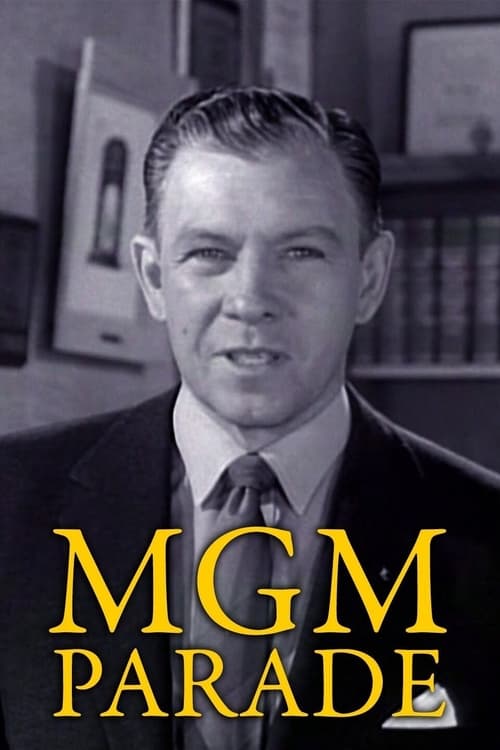
MGM Parade
1955 · tv
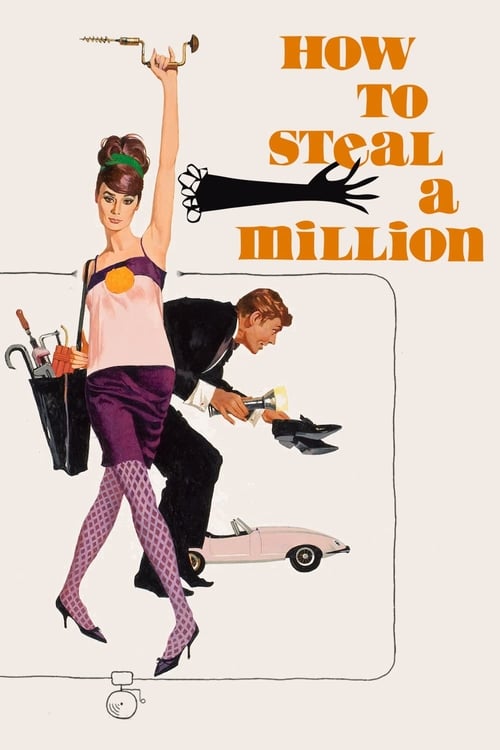
1966
How to Steal a Million
1966 · movie
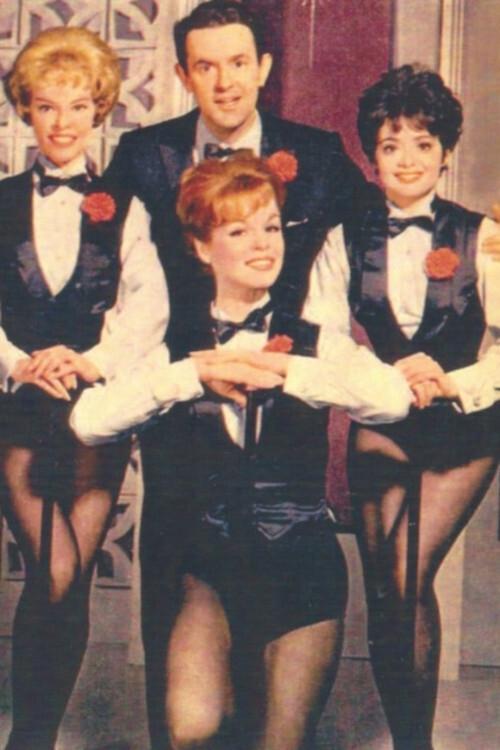
1963
Harry's Girls
1963 · tv
1971
La Maison des bois
1971 · tv
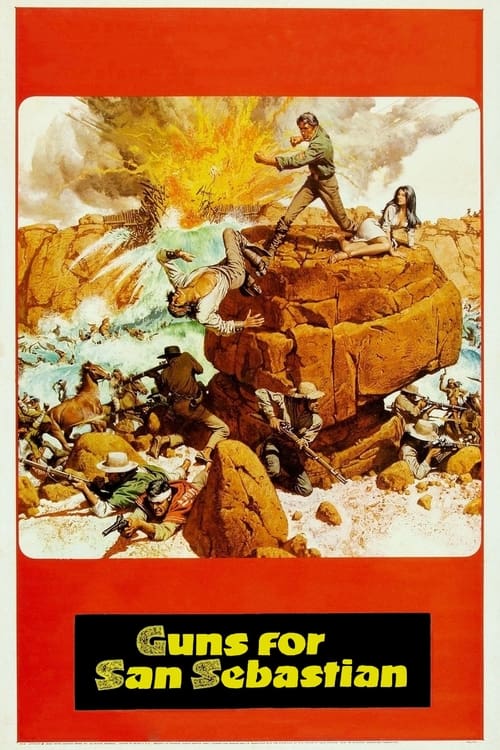
1967
Guns for San Sebastian
1967 · movie
1976
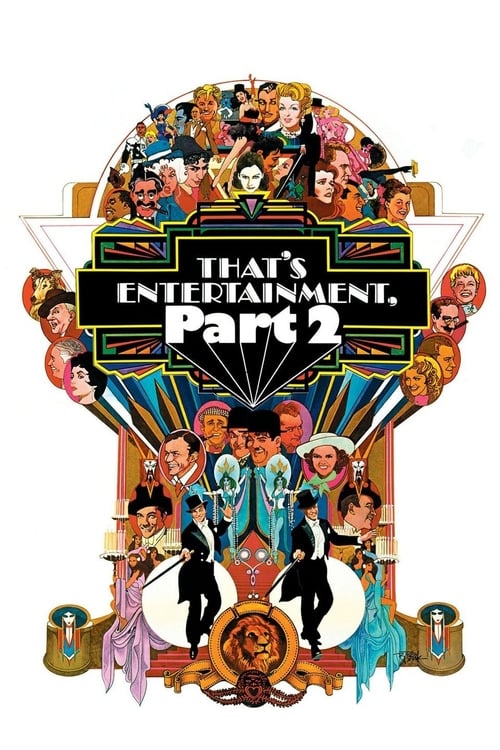
That's Entertainment, Part II
1976 · movie
1958
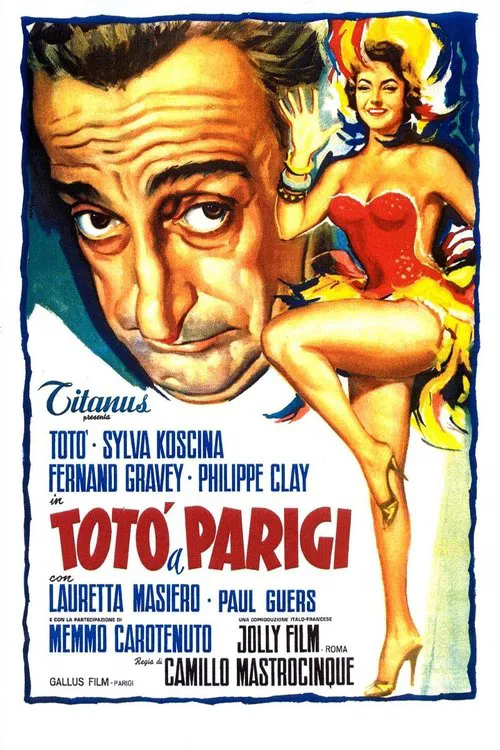
Toto in Paris
1958 · movie

1950
La Ronde
1950 · movie
1953
Royal Affairs in Versailles
1953 · movie
1969
The Madwoman of Chaillot
1969 · movie

1931
Un homme en habit
1931 · movie
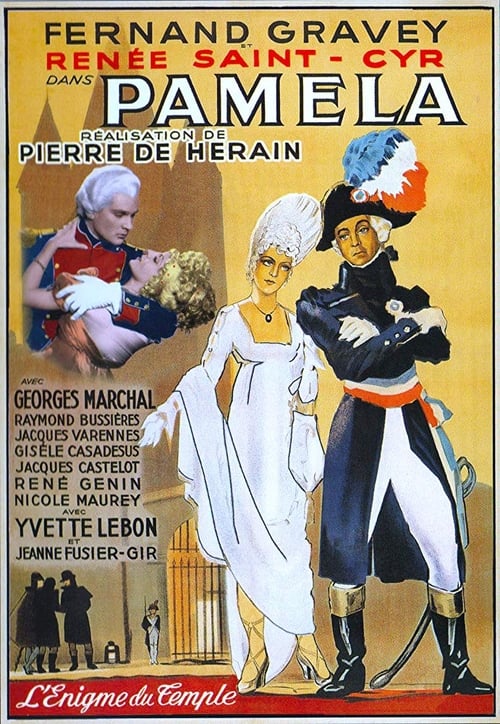
1945
Paméla
1945 · movie
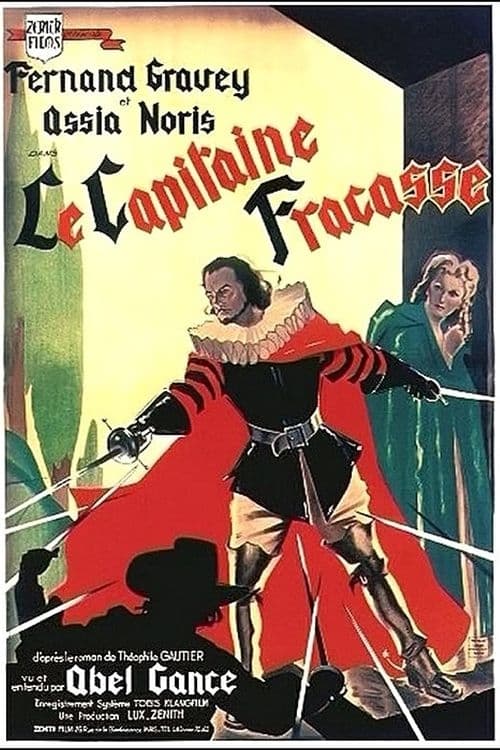
1943
Captain Fracasse
1943 · movie
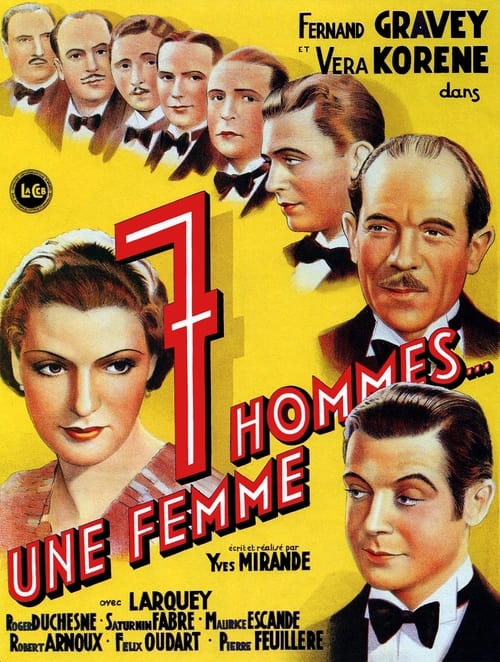
1936
Seven Men, One Woman
1936 · movie
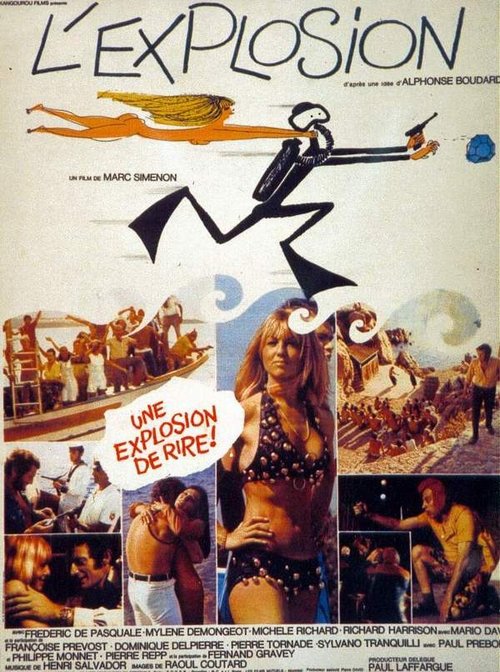
1971
The Hideout
1971 · movie
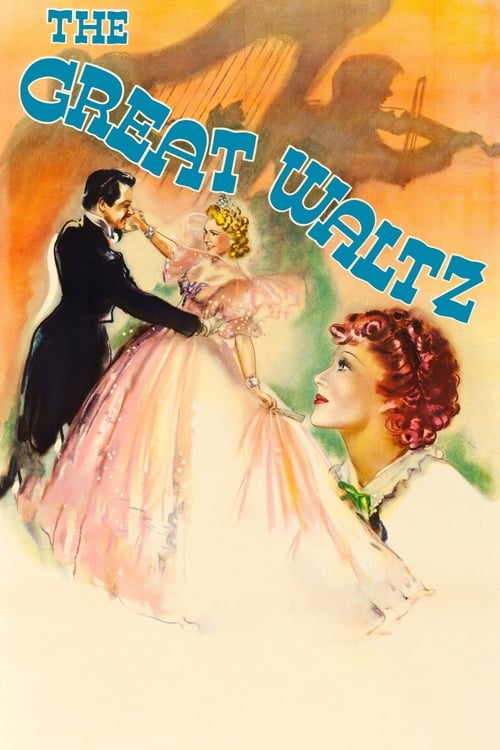
1938
The Great Waltz
1938 · movie
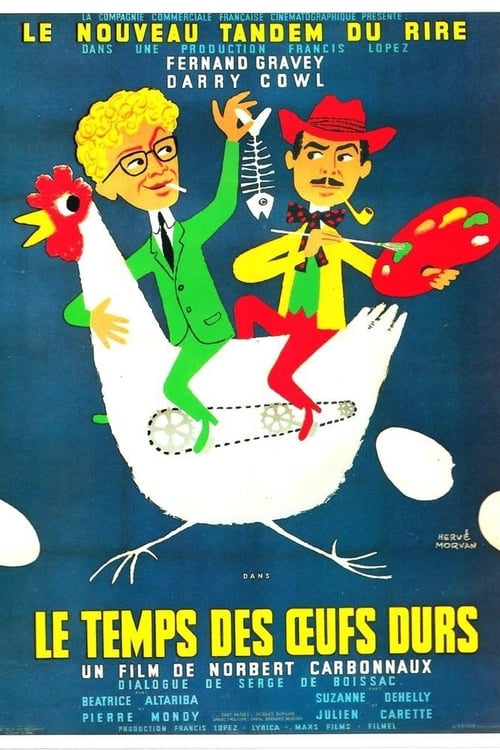
1958
Hardboiled Egg Time
1958 · movie
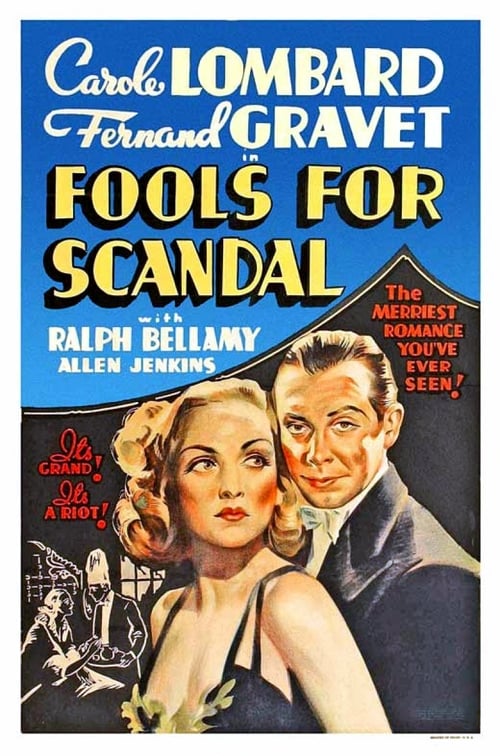
1938
Fools for Scandal
1938 · movie
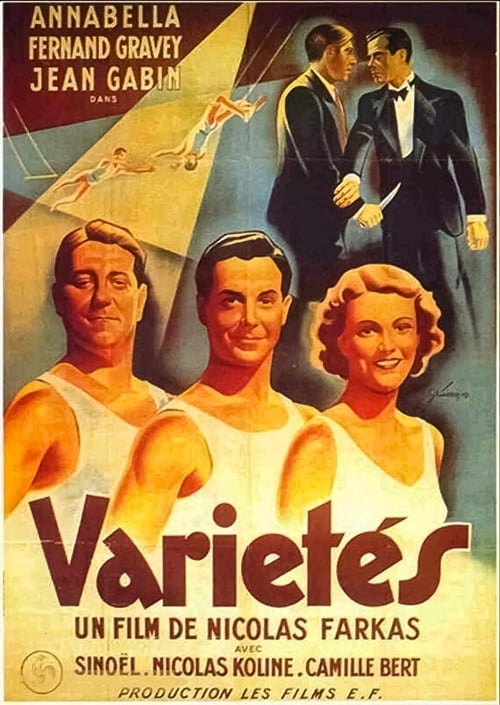
1935
Varieté
1935 · movie
1935
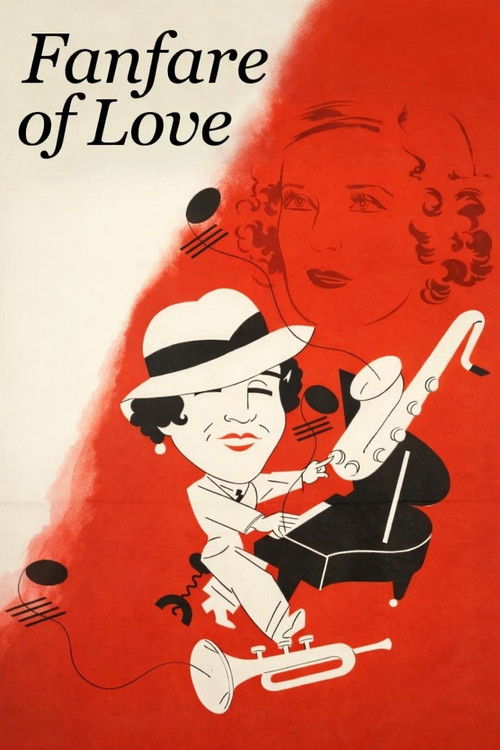
Fanfare of Love
1935 · movie
1939
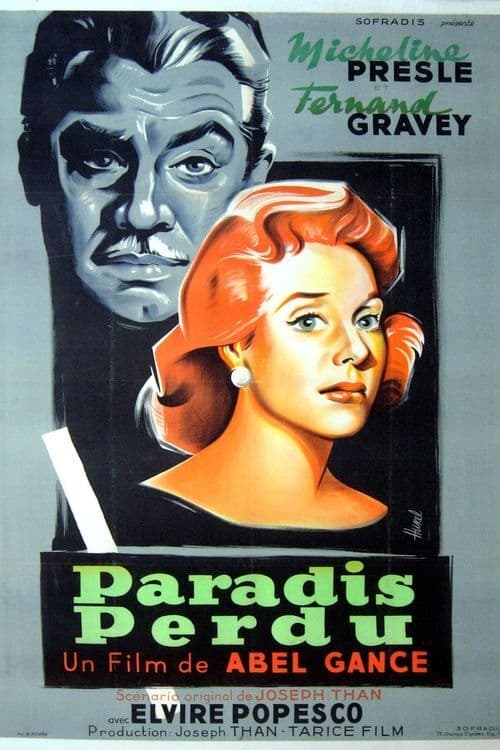
Four Flights to Love
1939 · movie
1939
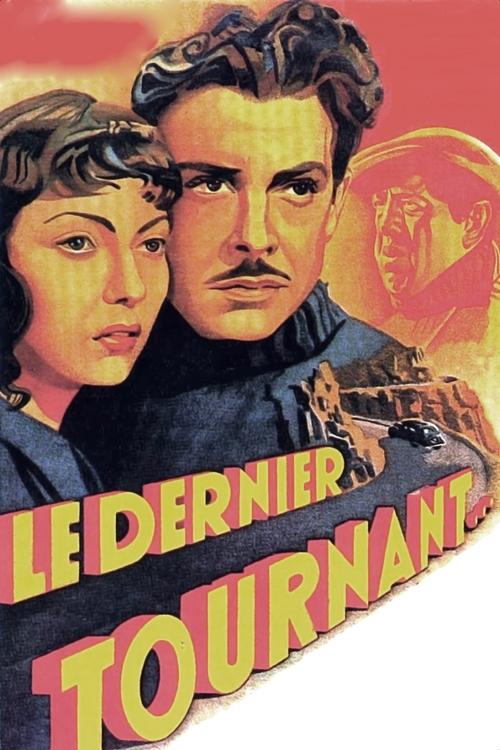
The Last Turning
1939 · movie
1970
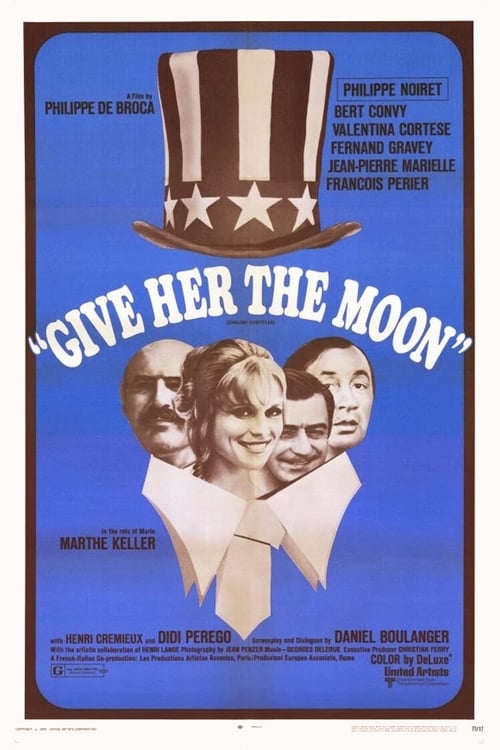
Give Her the Moon
1970 · movie
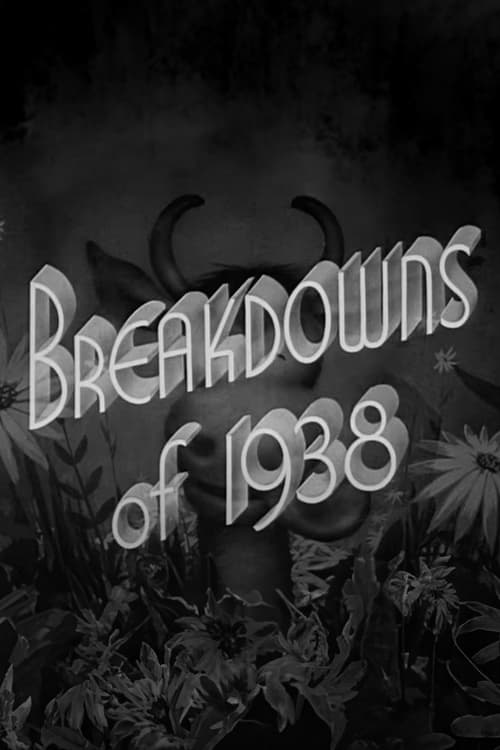
1938
Breakdowns of 1938
1938 · movie

1937
The King and the Chorus Girl
1937 · movie
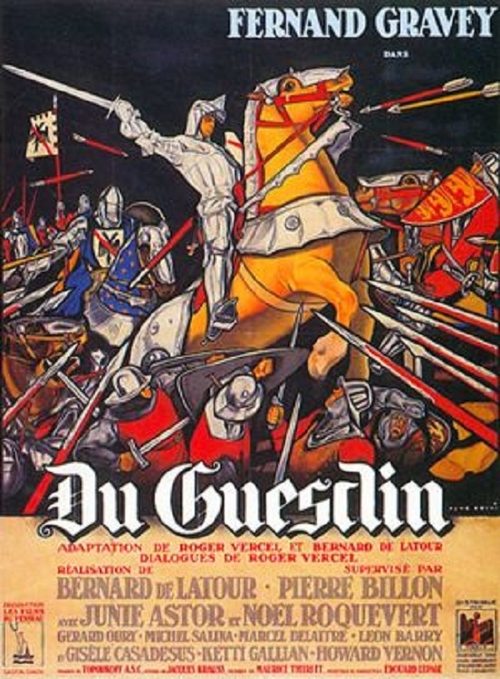
1949
Du Guesclin
1949 · movie
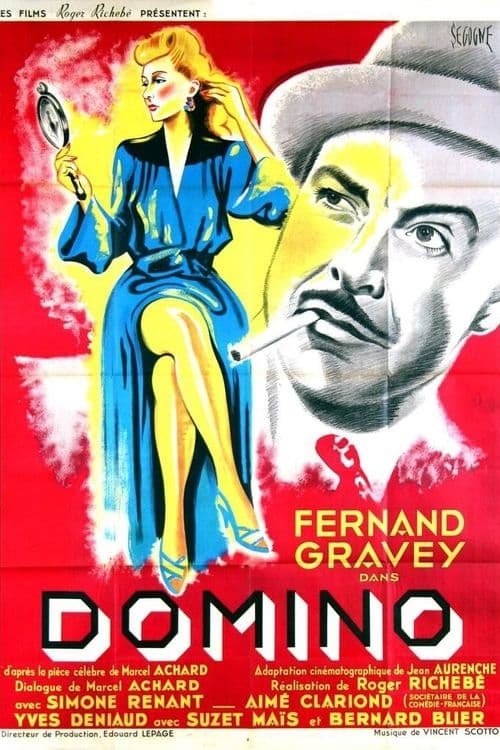
1943
Domino
1943 · movie
1913
Saïda Makes Off with the Manneken Pis
1913 · movie