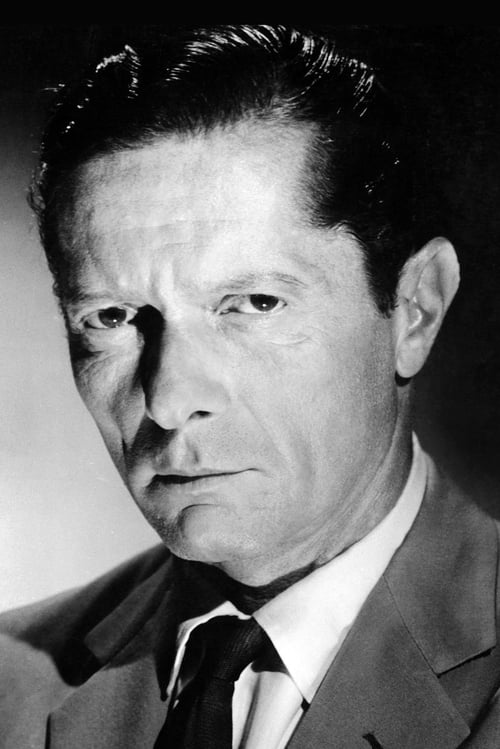
Alfred Ryder
Acting
Alfred Ryder, the veteran actor who appeared on radio and Broadway and in the movies and TV and who also was a renowned stage director, was born Alfred Jacob Corn on January 5, 1916, in New York City. He made his professional debut as an actor at the age of eight and attended New York City's Professional Children's School. His Broadway debut came in 1929, when the 13-year-old Ryder played a "lost boy" in Eva Le Gallienne's production of J.M. Barrie's "Peter Pan". Ryder studied acting with Benno Schneider, Robert Lewis and Lee Strasberg. He appeared in the 1938 Broadway production of "Our Town" - his Broadway debut as an adult performer - as well as numerous Broadway productions before World War II, including the 1939 revival of Clifford Odets's "Awake and Sing!". For many years he was the voice of Sammy in the radio serial "Rise of the Goldbergs" Ryder joined the Army Air Force during World War II, eventually appearing in the U.S. Army Air Force's gala Broadway stage show "Winged Victory" in 1943. The following year, he made his movie debut as "PFC Alfred Ryder" in the film version of the show Winged Victory (1944)). After the war he made more films, including director Anthony Mann's classic 1947 film noir T-Men (1947). On Broadway, he appeared as Oswald in the 1948 revival of Henrik Ibsen's "Ghosts" and as Mark Antony in the 1950 production of "Julius Caesar". Also that year, he appeared as Orestes in the Broadway play "The Tower Beyond Tragedy". Ryder had the singular honor of being cast as the understudy for Laurence Olivier in one of the legendary actor's greatest roles, that of Archie Rice, in the 1958 Broadway production of John Osborne's "The Entertainer". Olivier's Archie Rice is considered one of the greatest performances of the 20th century, and Ryder was chosen to keep the Broadway patrons in their seats in the event the great British theatrical knight couldn't go on. Ryder also appeared in the original Broadway production of Eugène Ionesco's absurdist masterpiece "Rhinoceros" in 1960. A noted theatrical stage director with such companies as Washington, D.C.'s Arena Stage, Ryder made his Broadway directorial debut with the play "A Far Country" in 1961. He subsequently directed two more Broadway productions, "The Exercise" in 1968 and the 1971 revival of August Strindberg's "Dance of Death." Despite his achievements on the stage, film and radio, Ryder is mostly remembered as a prolific and versatile TV character actor. He made over 100 appearances on TV, including memorable turns on Star Trek: The Original Series (1966) (he appeared as Prof. Robert Crater in the series' very first aired episode, "The Man Trap"), Voyage to the Bottom of the Sea (1964) (two appearances as the ghost of Nazi U-boat commander Capt. Gerhardt Krueger), and The Invaders (1967) (appearing as The Alien Leader). Ryder retired from screen acting in 1976 to concentrate on the stage, both as an actor and director. He died on April 16, 1995 in Englewood, NJ, at the age of 79. He was married to actress Kim Stanley, with whom he had a child, from 1957 until 1964, and he was the brother of actress Olive Deering. From the IMDB Mini Bio for Alfred Ryder
Known For
1966
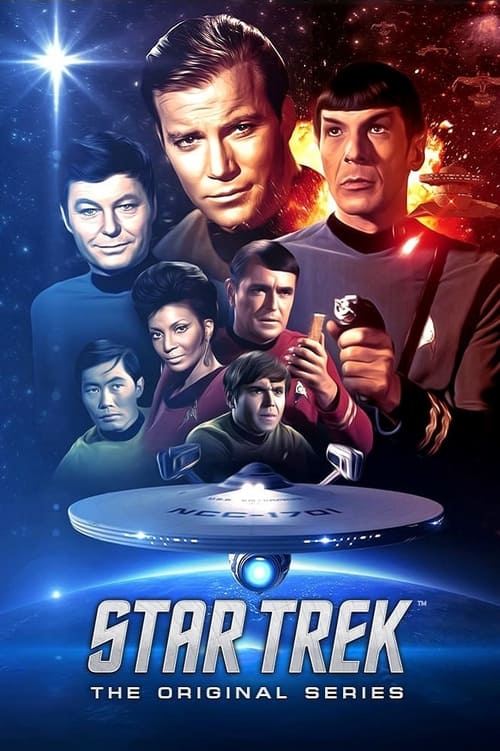
Star Trek
1966 · tv
1967
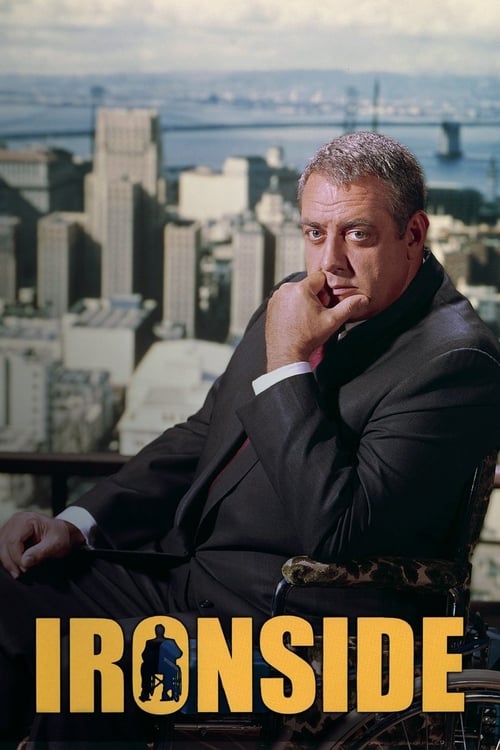
Ironside
1967 · tv
1967
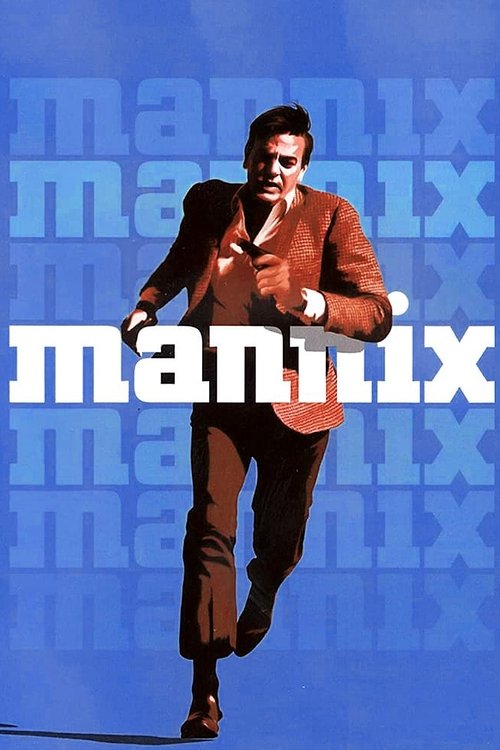
Mannix
1967 · tv
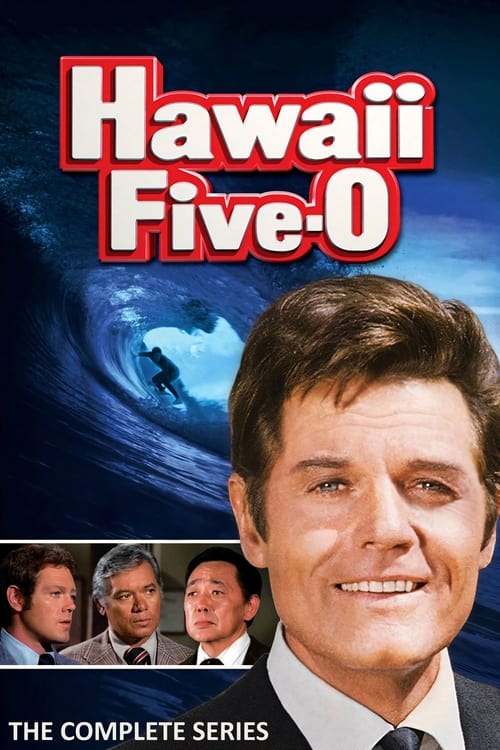
1968
Hawaii Five-O
1968 · tv
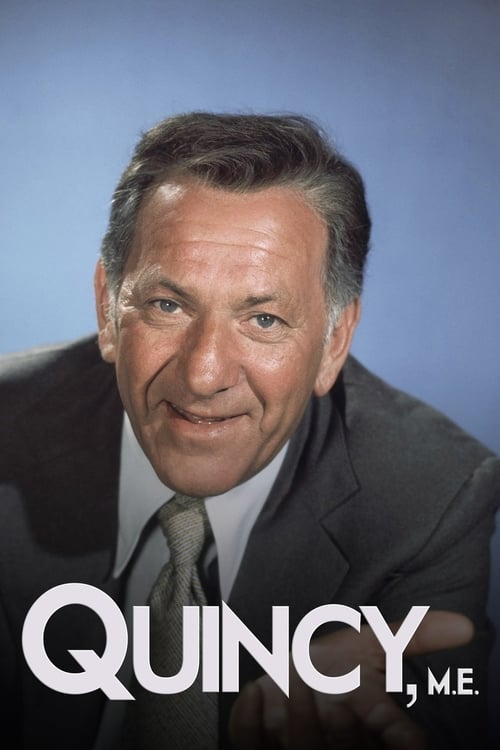
1976
Quincy, M.E.
1976 · tv
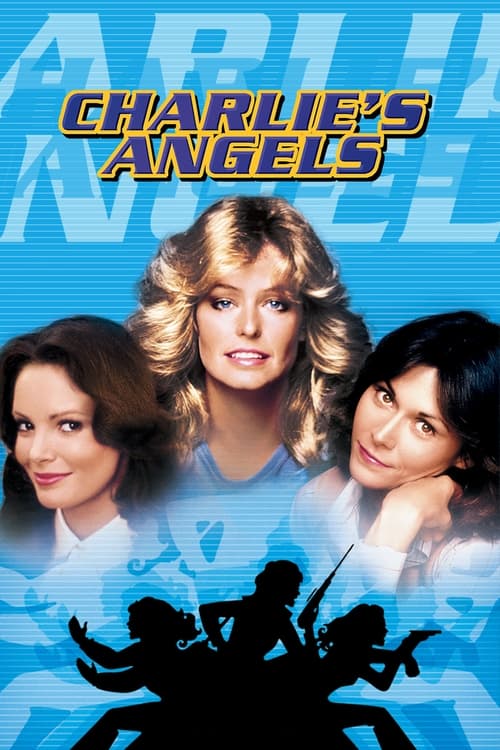
1976
Charlie's Angels
1976 · tv
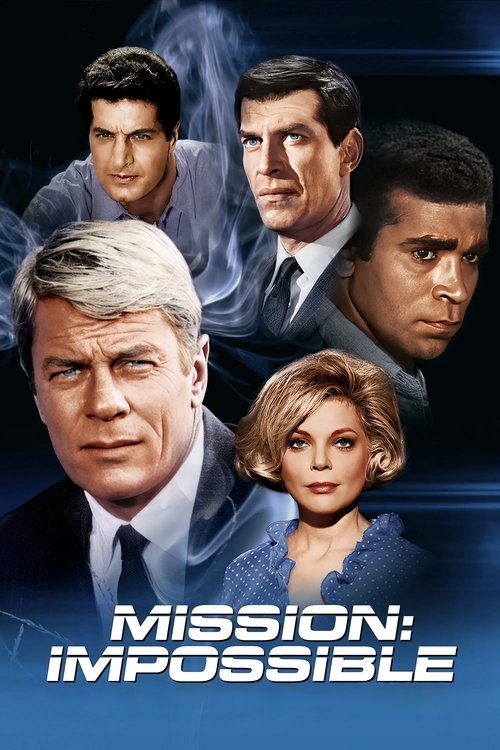
1966
Mission: Impossible
1966 · tv
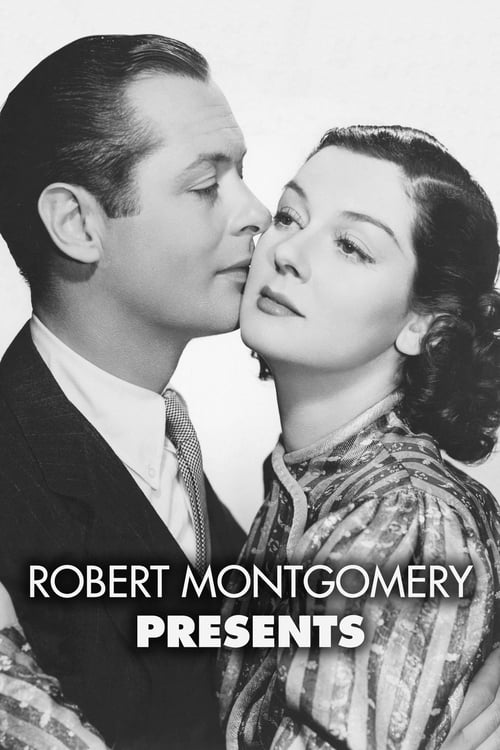
1950
Robert Montgomery Presents
1950 · tv

1962
The Virginian
1962 · tv
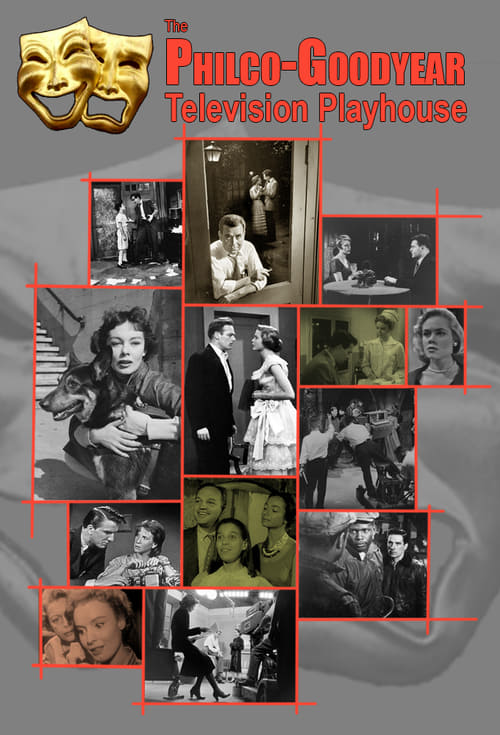
1948
The Philco Television Playhouse
1948 · tv
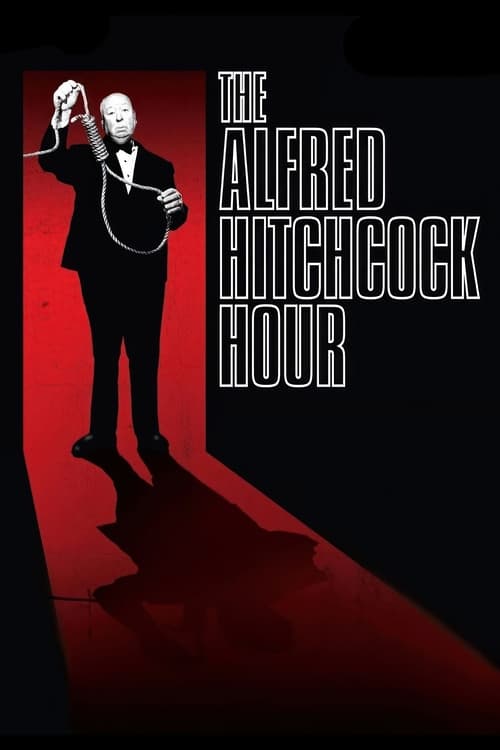
1962
The Alfred Hitchcock Hour
1962 · tv
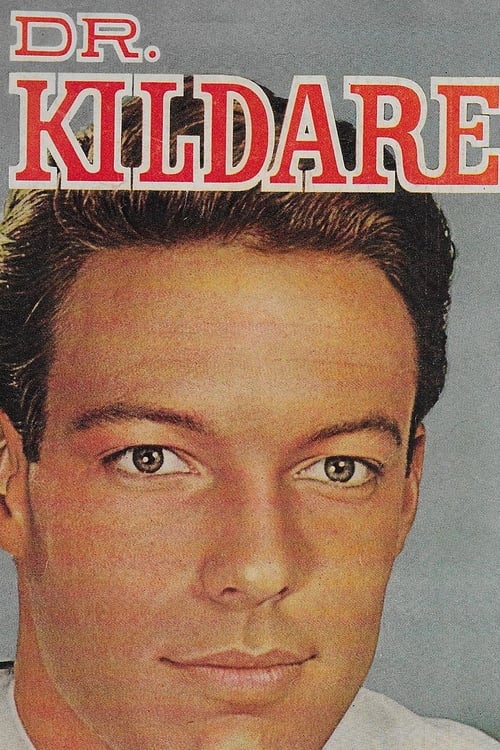
1961
Dr. Kildare
1961 · tv
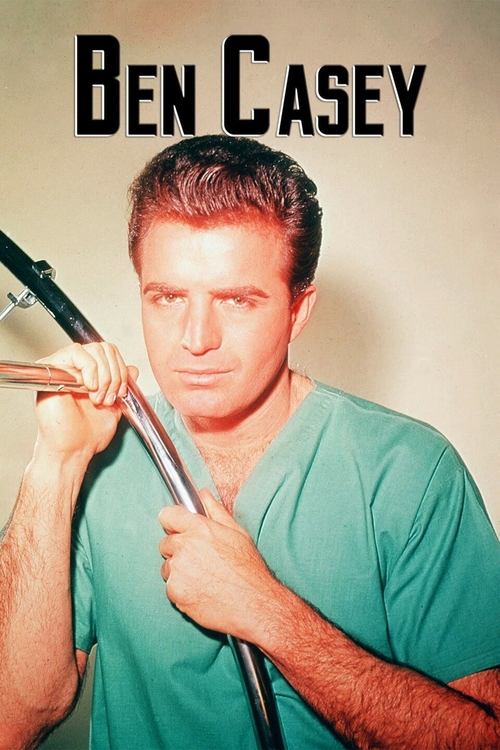
1961
Ben Casey
1961 · tv
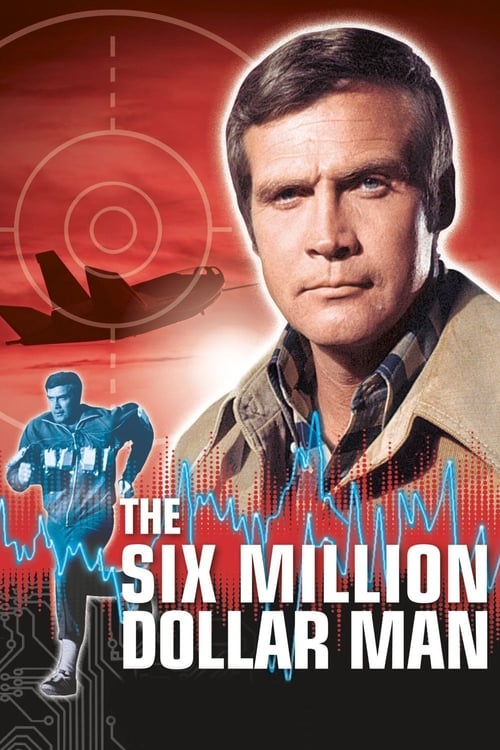
1974
The Six Million Dollar Man
1974 · tv

1958
Naked City
1958 · tv
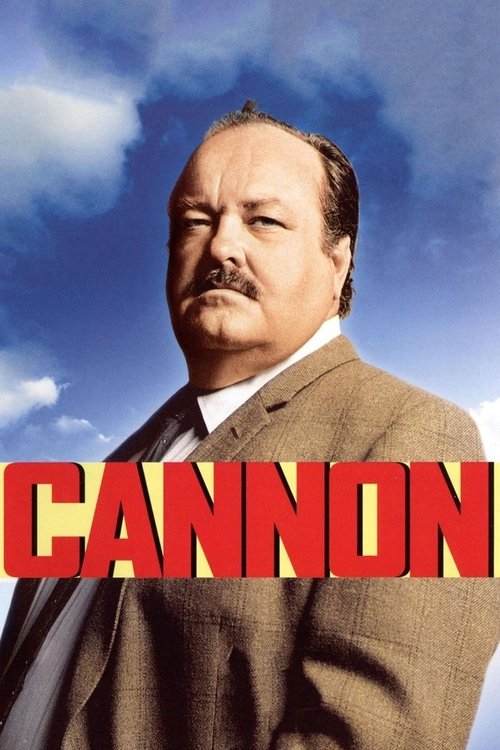
1971
Cannon
1971 · tv
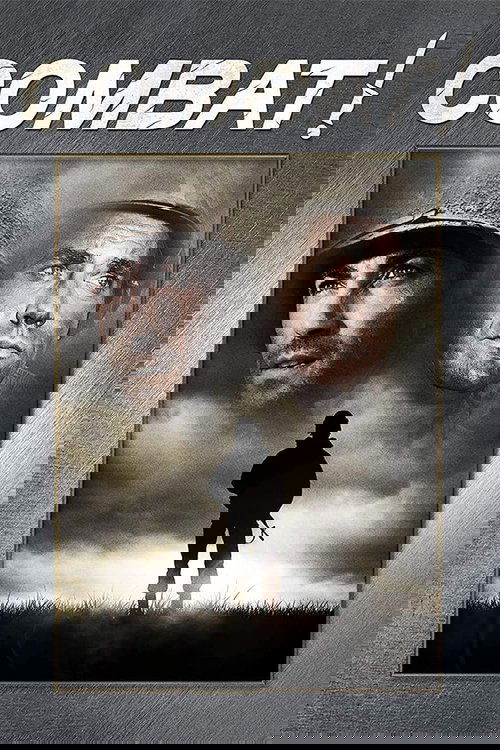
1962
Combat!
1962 · tv
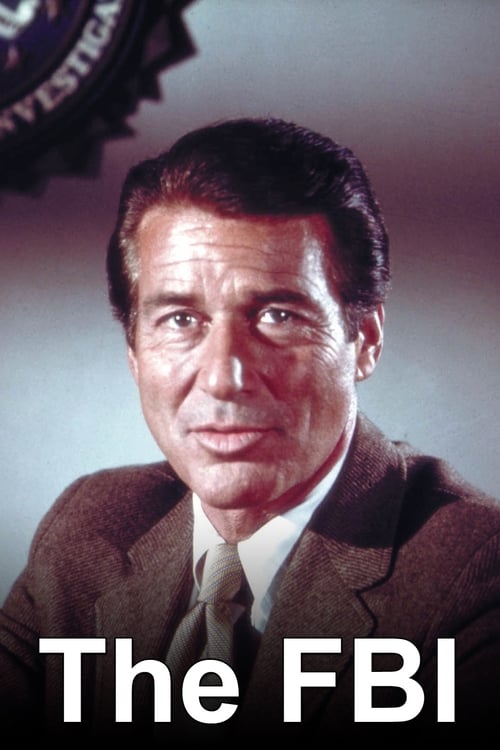
1965
The F.B.I.
1965 · tv
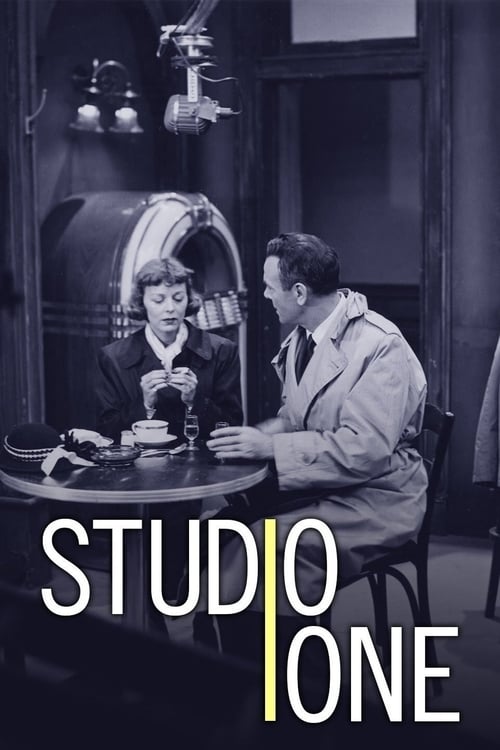
1948
Studio One
1948 · tv
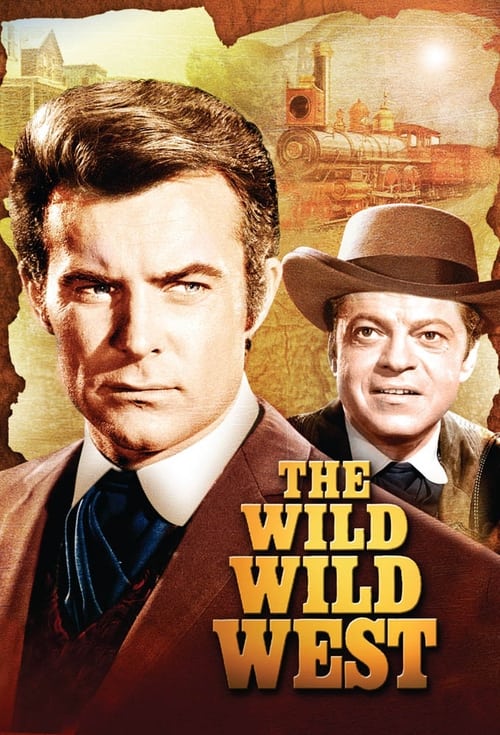
1965
The Wild Wild West
1965 · tv
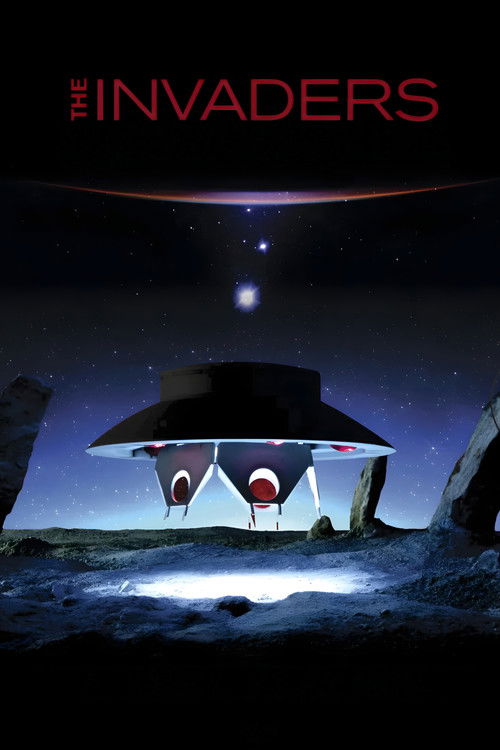
1967
The Invaders
1967 · tv
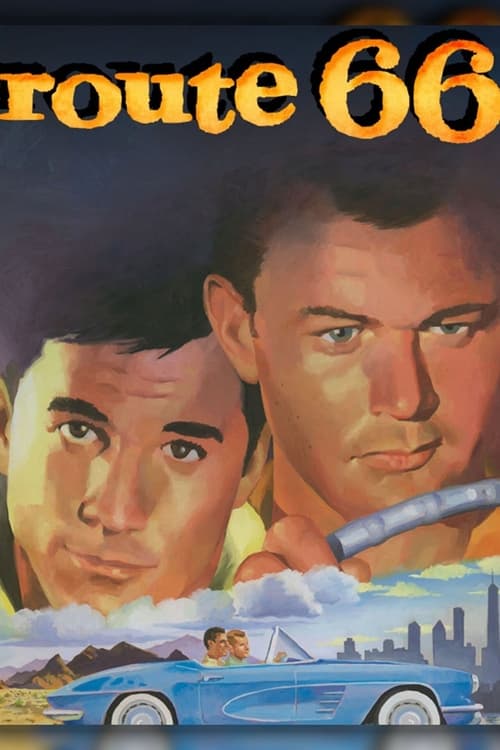
1960
Route 66
1960 · tv
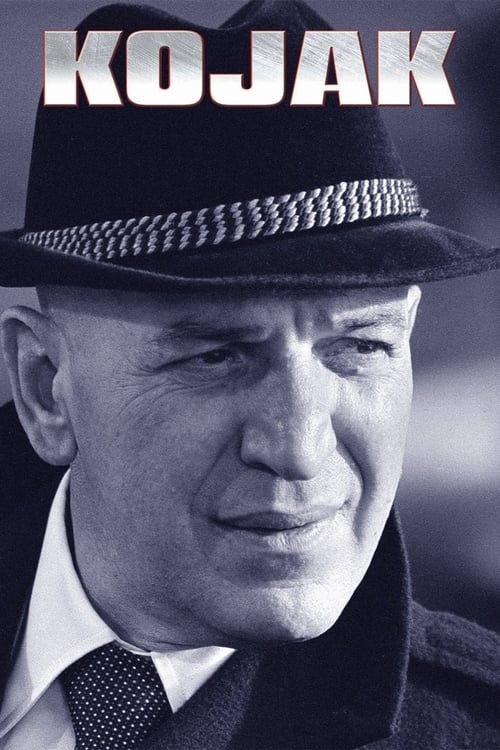
1973
Kojak
1973 · tv
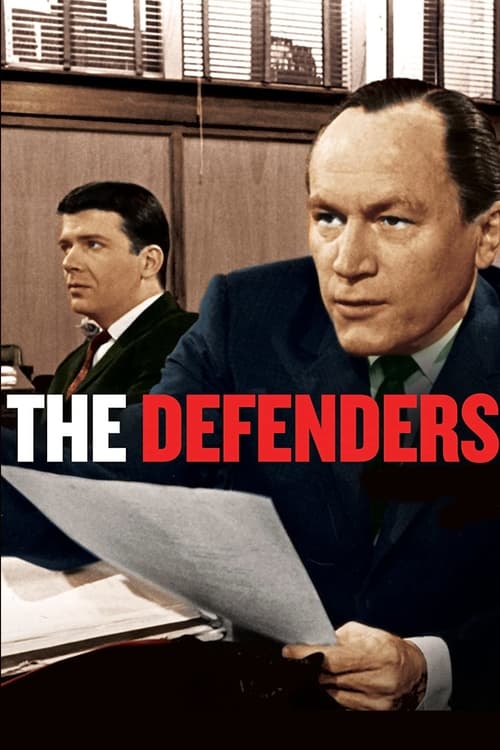
1961
The Defenders
1961 · tv
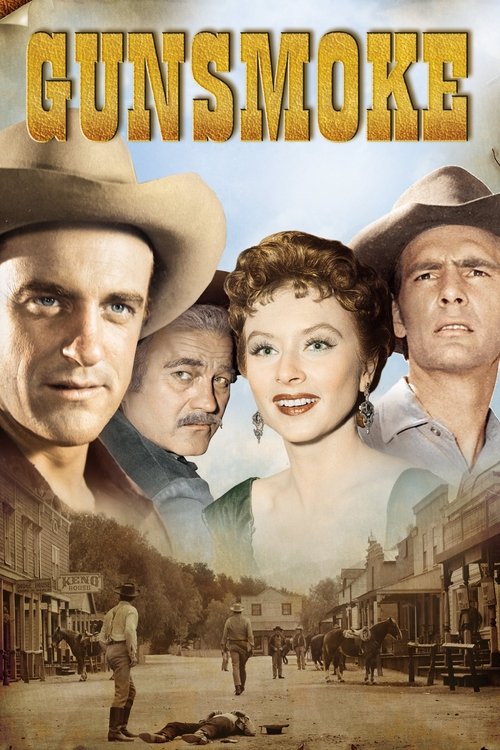
1955
Gunsmoke
1955 · tv
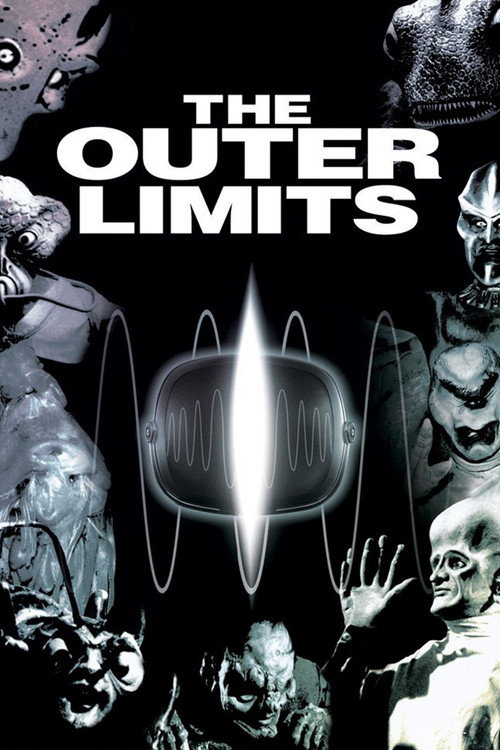
1963
The Outer Limits
1963 · tv
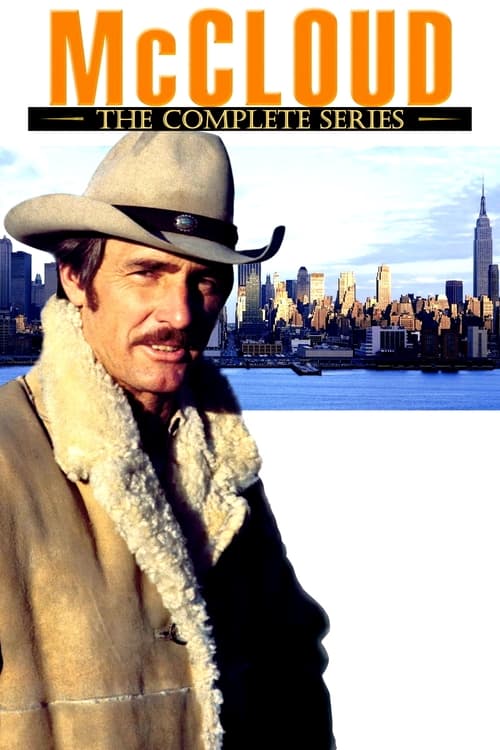
1970
McCloud
1970 · tv
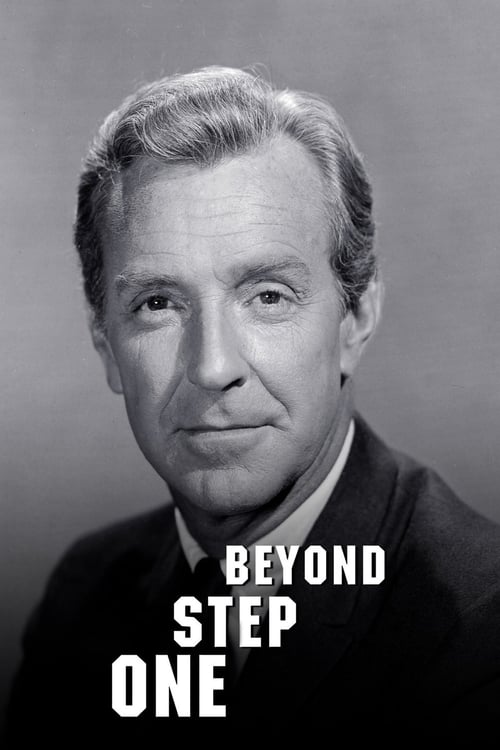
1959
One Step Beyond
1959 · tv
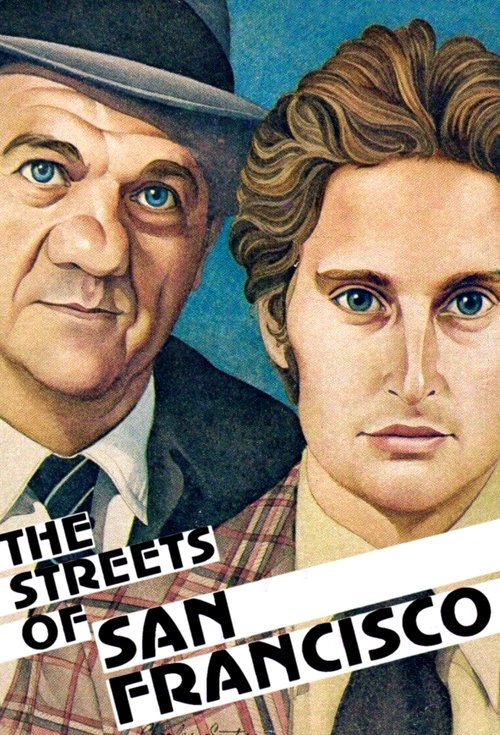
1972
The Streets of San Francisco
1972 · tv
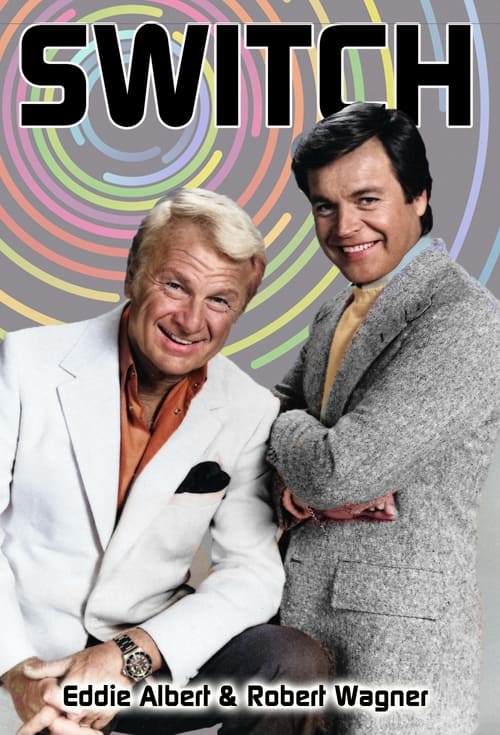
1975
Switch
1975 · tv