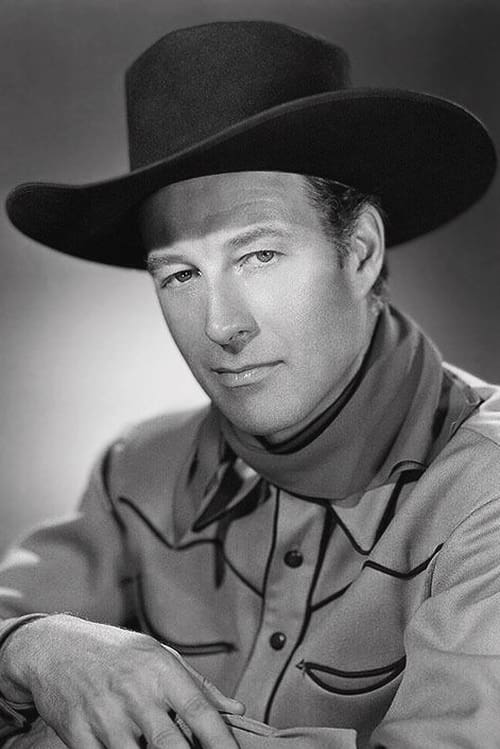
Bill Elliott
Acting
From Wikipedia, the free encyclopedia Wild Bill Elliott (October 16, 1904 – November 26, 1965) was an American film actor. He specialized in playing the rugged heroes of B Westerns, particularly the Red Ryder series of films. By 1925, he was getting occasional extra work in films. He took classes at the Pasadena Playhouse and appeared in a few stage roles there. By 1927, he had made his first Western, The Arizona Wildcat, playing his first featured role. Several co-starring roles followed, and he renamed himself Gordon Elliott. But as the studios made the transition to sound films, he slipped back into roles as an extra and bit parts, as in Broadway Scandals, in 1929. For the next eight years, he appeared in over a hundred films for various studios, but almost always in unbilled parts as an extra. Elliott began to be noticed in some minor B Westerns, enough so that Columbia Pictures offered him the title role in a serial, The Great Adventures of Wild Bill Hickok (1938). The serial was so successful, and Elliott so personable, that Columbia promoted him to starring in his own series of Western features, replacing Columbia's number-two cowboy star Robert "Tex" Allen. Henceforth Gordon Elliott would be known as Bill Elliott. Within two years, he was among the Motion Picture Herald's Top Ten Western Stars, where he would remain for the next 15 years. In 1943, Elliott signed with Republic Pictures, which cast him in a series of Westerns alongside George "Gabby" Hayes. The first of these, Calling Wild Bill Elliott, gave Elliott the name by which he would be best known and by which he would be billed almost exclusively for the rest of his career. Following several films in which both actor and character shared the name Wild Bill Elliott, he took the role for which he would be best remembered, that of Red Ryder in a series of sixteen movies about the famous comic strip cowboy and his young Indian companion, Little Beaver (played in Elliott's films by Bobby Blake). Elliott played the role for only two years but would forever be associated with it. Elliott's trademark was a pair of six guns worn butt-forward in their holsters. Elliott's career thrived during and after the Red Ryder films, and he continued making B Westerns into the early 1950s. He also had his own radio show during the late 1940s. His final contract as a Western star was with Monogram Pictures, where budgets declined as the B Western lost its audience to television. When Monogram became Allied Artists Pictures Corporation in 1953, it phased out its Western productions, and Elliott finished out his contract playing a homicide detective in a series of five modern police dramas, his first non-Westerns since 1938. Elliott retired from films (except for a couple of TV Western pilots which were not picked up). He worked for a time as a spokesman for Viceroy cigarettes and hosted a local TV program in Las Vegas, Nevada, which featured many of his Western films.
Known For
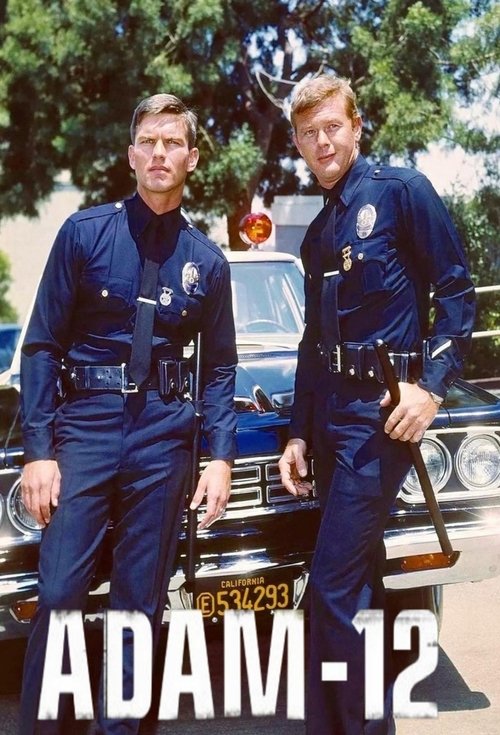
1968
Adam-12
1968 · tv

1932
Scarface
1932 · movie
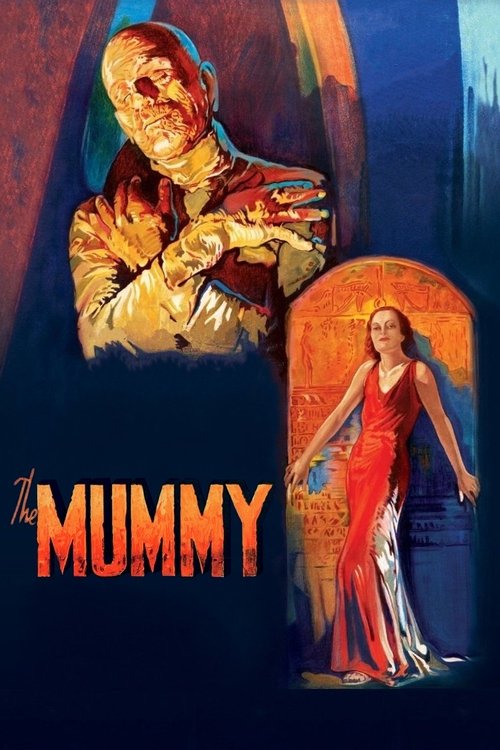
1932
The Mummy
1932 · movie
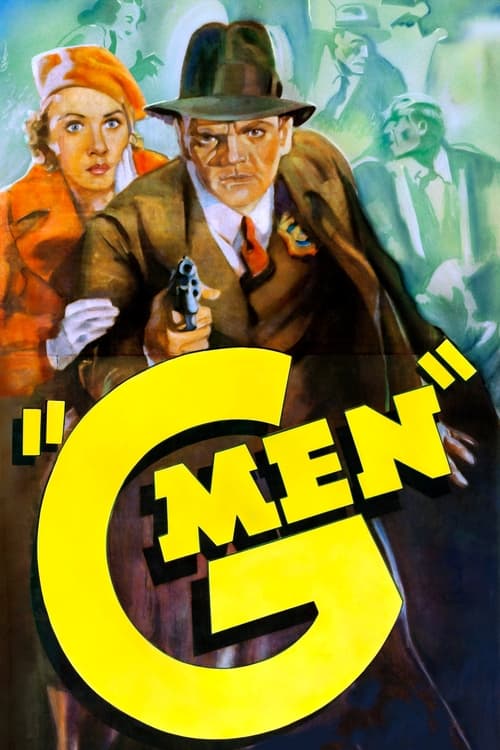
1935
'G' Men
1935 · movie
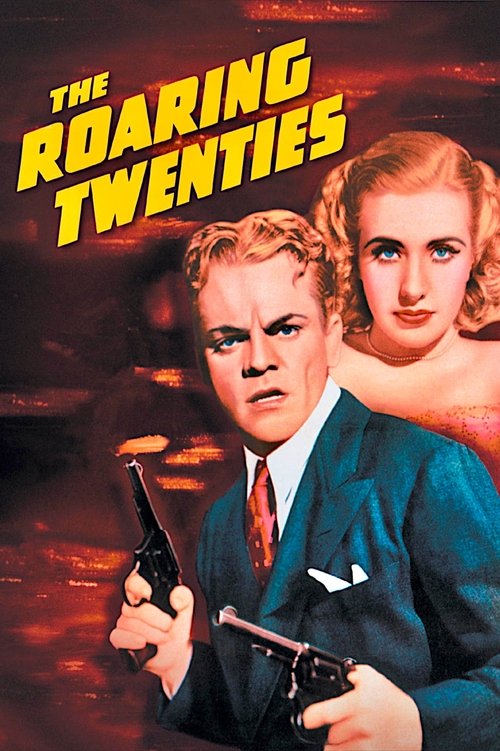
1939
The Roaring Twenties
1939 · movie
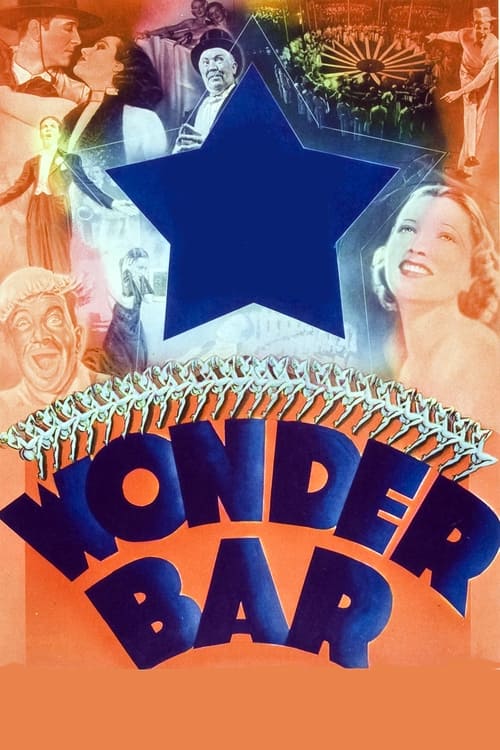
1934
Wonder Bar
1934 · movie
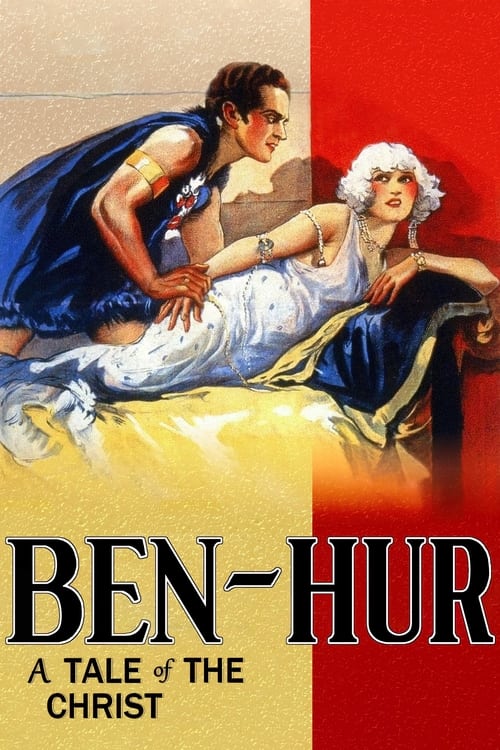
1925
Ben-Hur: A Tale of the Christ
1925 · movie
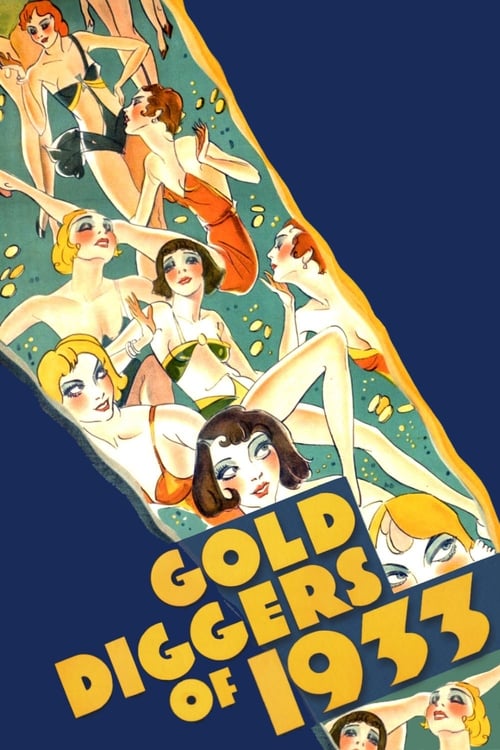
1933
Gold Diggers of 1933
1933 · movie

1944
Tucson Raiders
1944 · movie
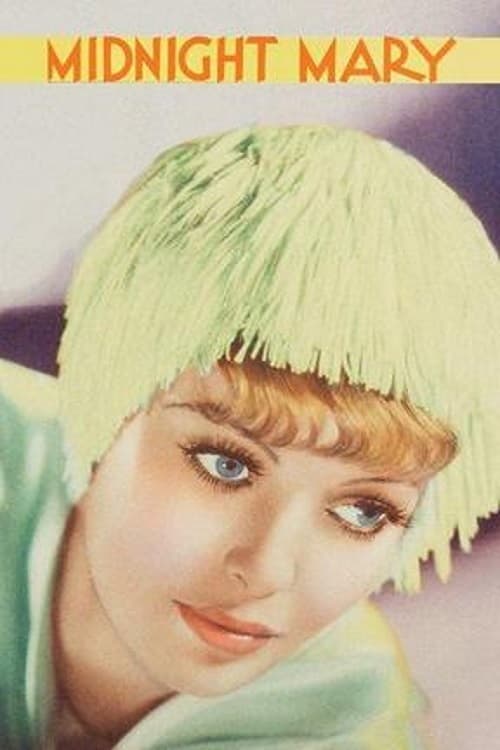
1933
Midnight Mary
1933 · movie
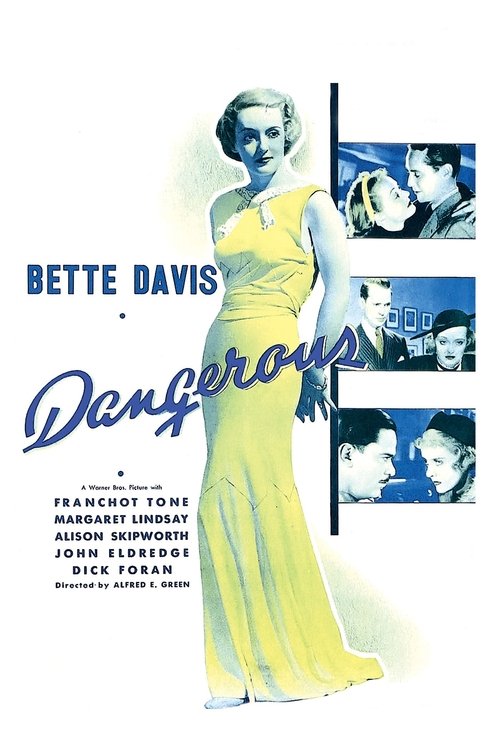
1935
Dangerous
1935 · movie
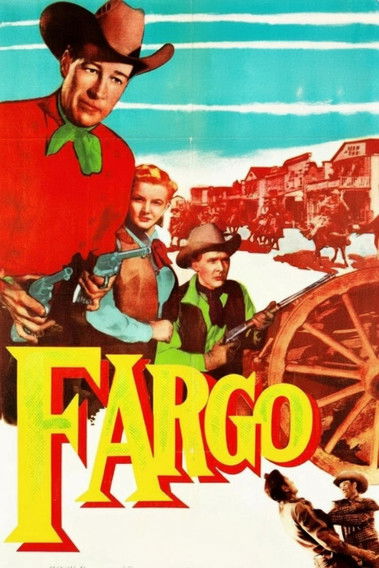
1952
Fargo
1952 · movie
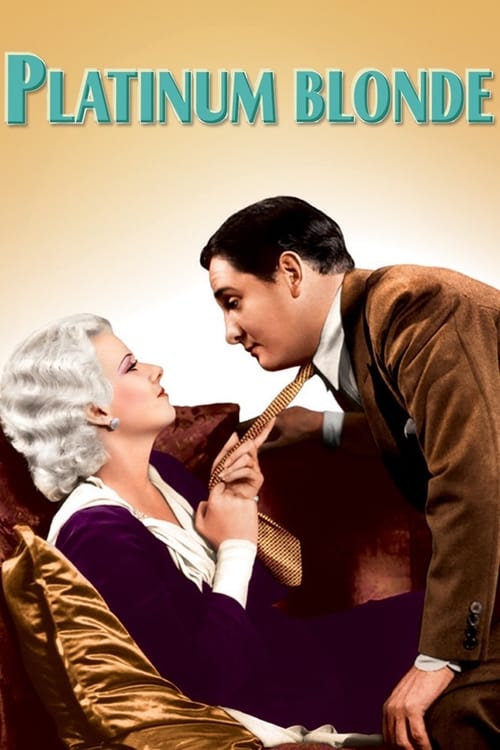
1931
Platinum Blonde
1931 · movie
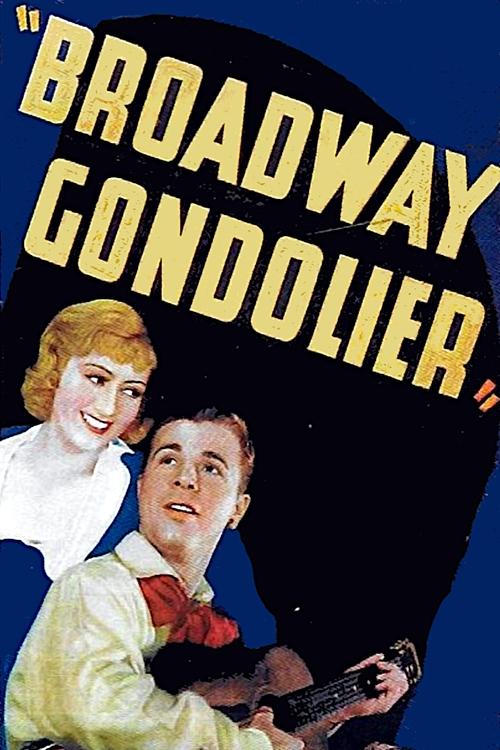
1935
Broadway Gondolier
1935 · movie
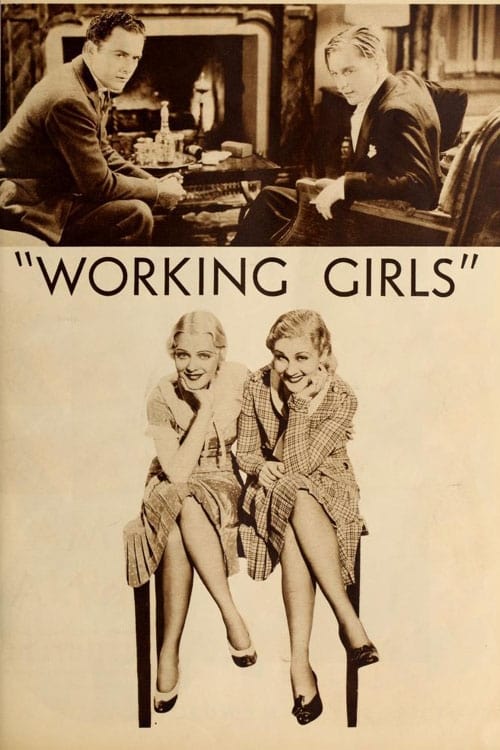
1931
Working Girls
1931 · movie
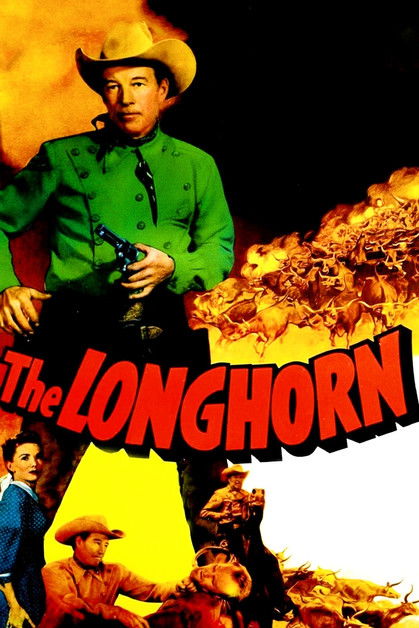
1951
The Longhorn
1951 · movie
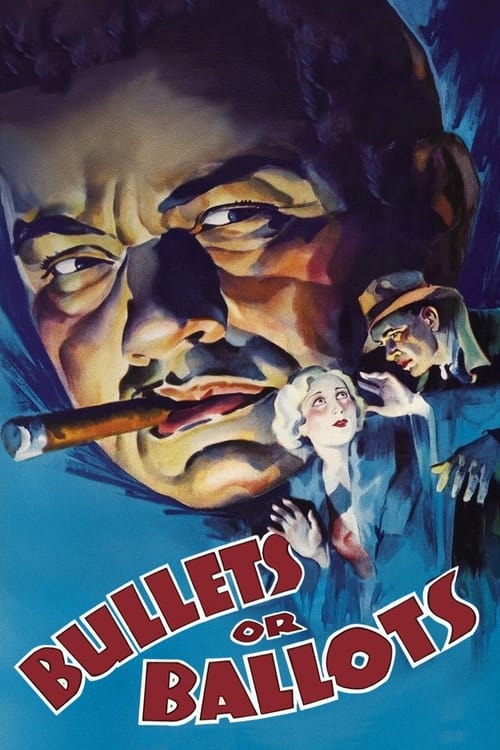
1936
Bullets or Ballots
1936 · movie
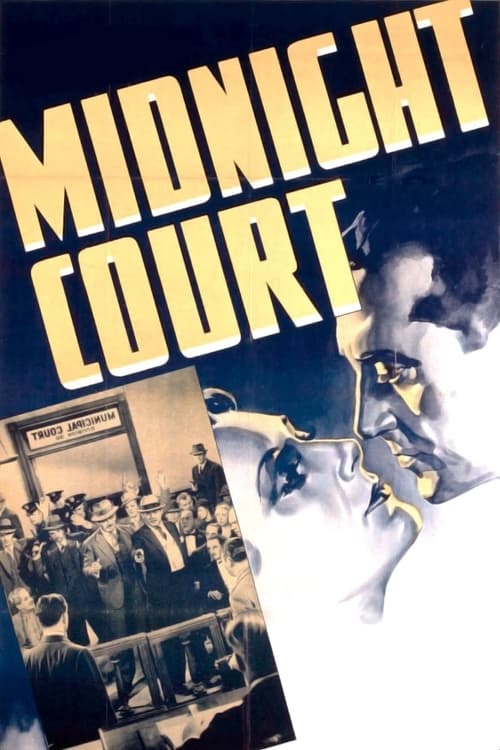
1937
Midnight Court
1937 · movie
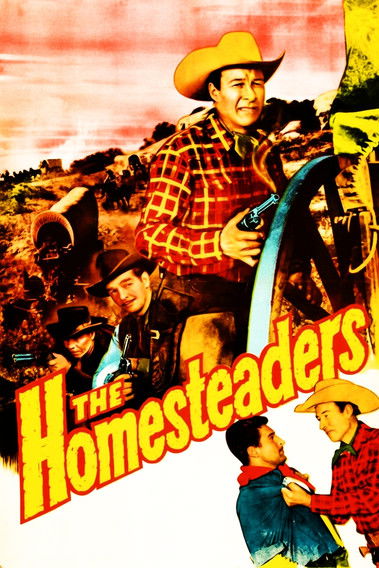
1953
The Homesteaders
1953 · movie
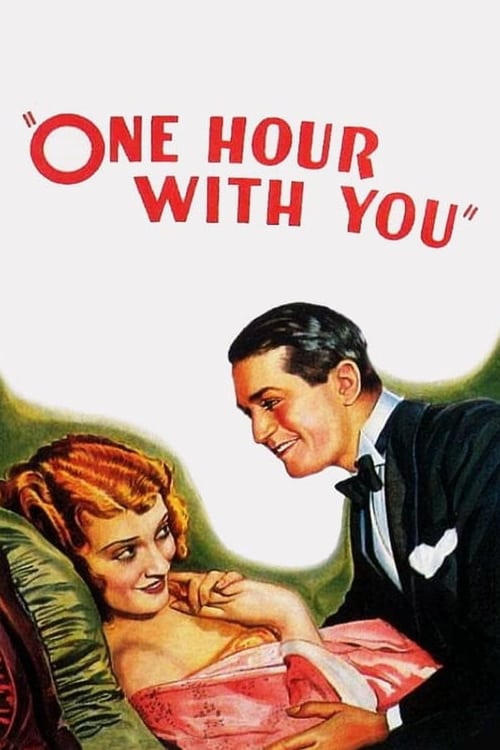
1932
One Hour with You
1932 · movie
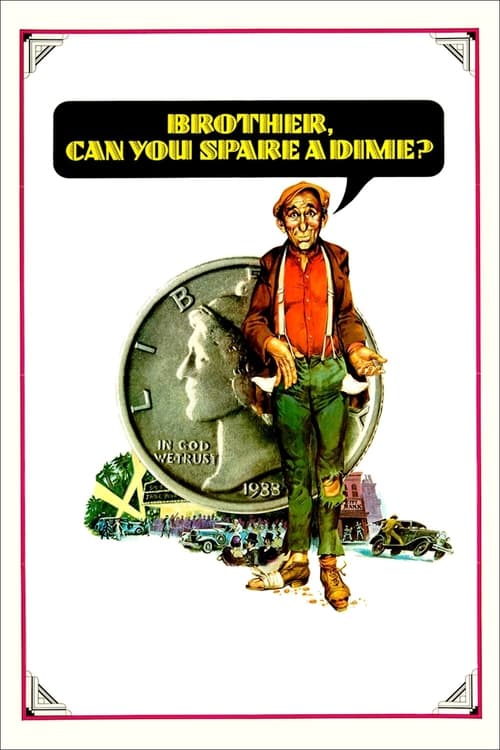
1975
Brother, Can You Spare a Dime?
1975 · movie
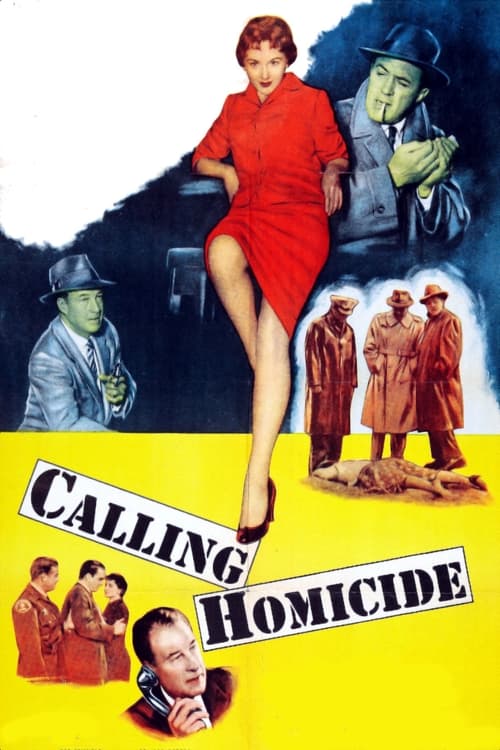
1956
Calling Homicide
1956 · movie
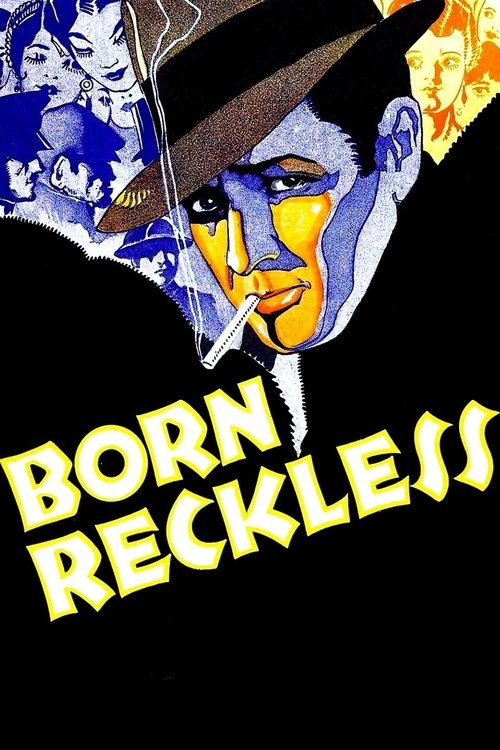
1930
Born Reckless
1930 · movie
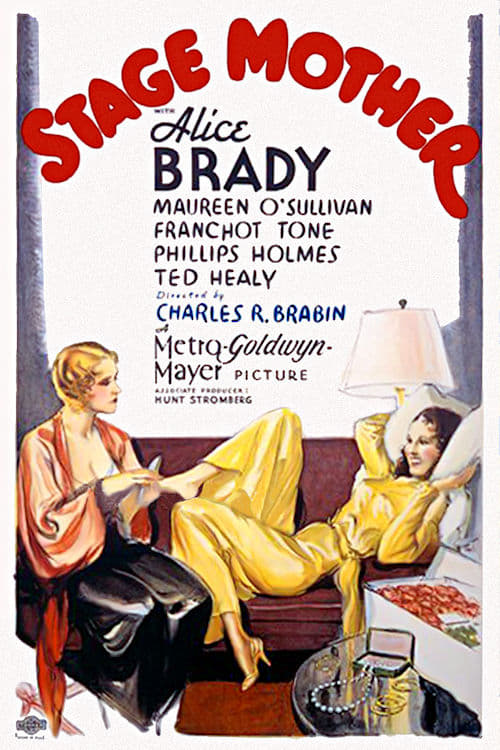
1933
Stage Mother
1933 · movie
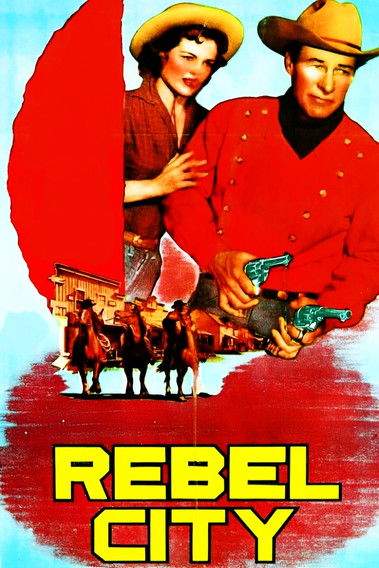
1953
Rebel City
1953 · movie
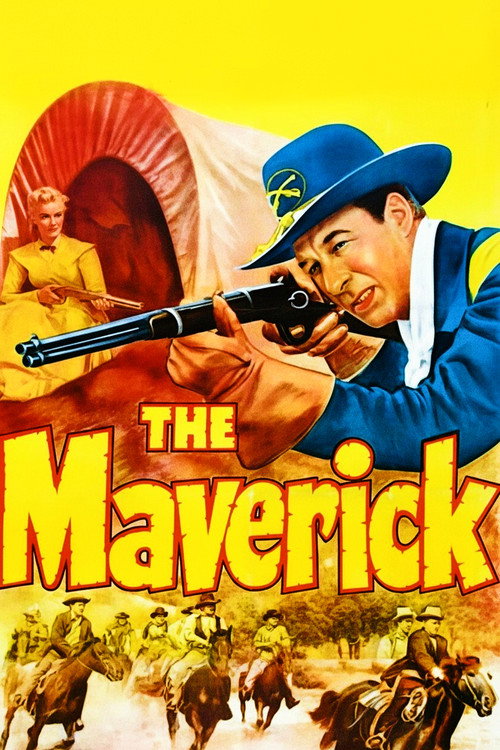
1952
The Maverick
1952 · movie
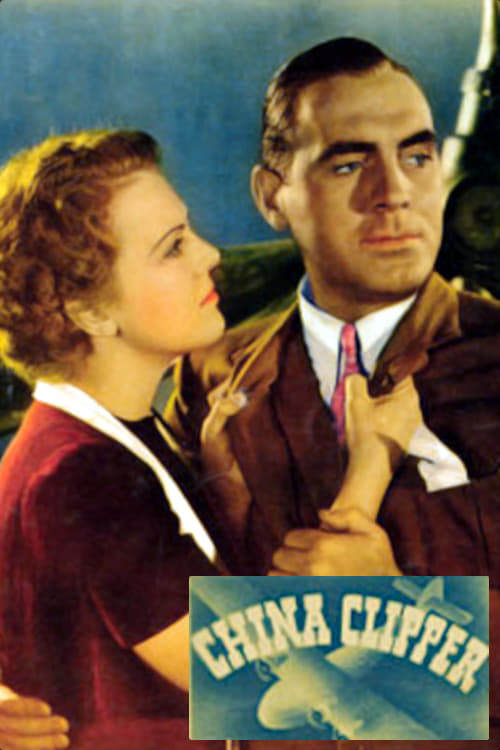
1936
China Clipper
1936 · movie
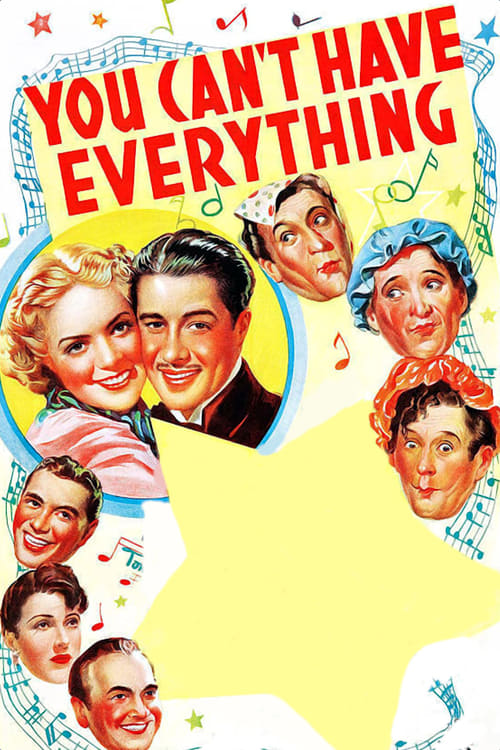
1937
You Can't Have Everything
1937 · movie
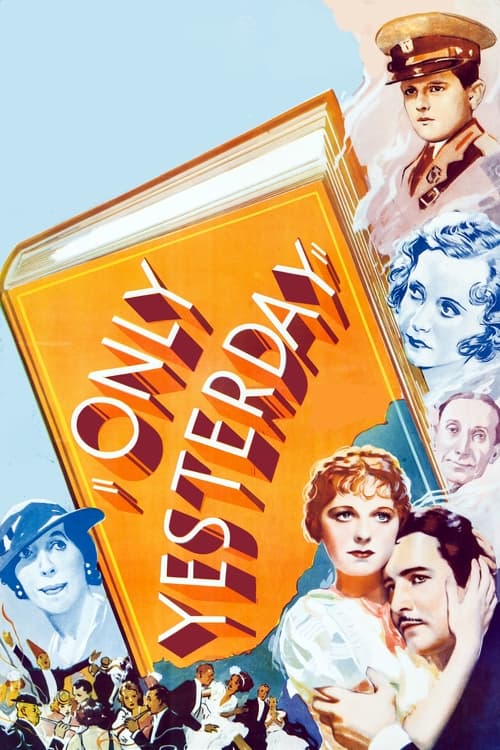
1933
Only Yesterday
1933 · movie
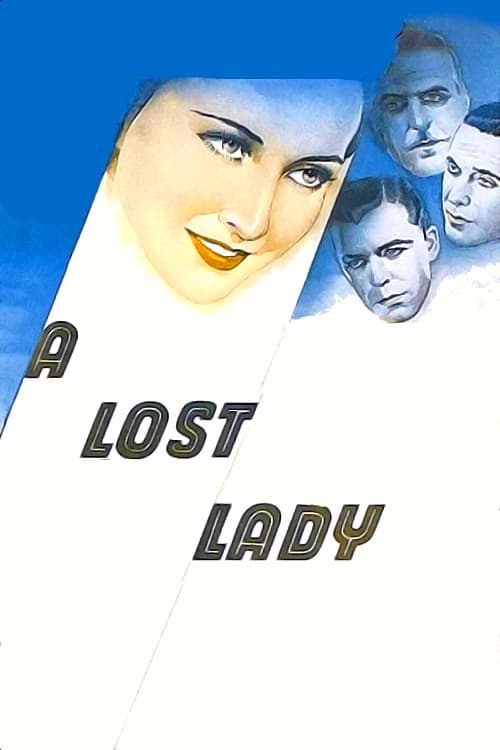
1934
A Lost Lady
1934 · movie